Minnesota storms can leave roofing problems behind even when shingles appear intact from the ground. Understanding how storms damage roofs in Minnesota helps homeowners recognize why visible appearance alone cannot confirm a roof escaped damage.
Wind, hail, and heavy rain can affect shingles, flashing, and other roofing components without creating immediate interior warning signs. For Twin Cities homeowners, identifying hidden roof damage after a storm can help clarify whether further evaluation is needed.
Allstar Construction has served Minnesota homeowners since 1979. Its documented roofing services include storm damage assessments, inspections, repairs, and insurance claim assistance throughout the Twin Cities.
Key Takeaways
- Storm damage can remain hidden even when a roof looks normal from ground level.
- Wind, hail, and heavy rain can affect different parts of a roofing system.
- Interior moisture changes may provide early clues that exterior roofing damage has occurred.
- A timely roof evaluation can identify concerns before another Minnesota storm arrives.
Hidden Roof Damage Signs After Minnesota Storms
Storm damage does not always create missing shingles or an immediate ceiling leak. Smaller changes can remain difficult to recognize without examining vulnerable roofing areas. These five warning signs can help Twin Cities homeowners understand when closer evaluation may be appropriate.
Shingles That Have Shifted or Loosened
Strong winds can affect shingles without removing them completely, making damage difficult to recognize from below. Assessing hidden damage after a severe storm can identify roofing areas affected by uplift or movement. Recognizing wind damage to roof shingles matters because displaced materials may leave vulnerable areas exposed to later weather.
Homeowners in Minneapolis should document visible changes from the ground rather than climbing onto the roof.
Moisture Appearing Indoors
Roof leaks after heavy rain may begin with subtle stains, damp areas, or moisture around ceilings and attic spaces. A roofing evaluation can trace these symptoms to possible exterior entry points. Finding the source helps distinguish roofing concerns from other potential causes of interior moisture.
Homeowners should record when moisture appears and whether the problem follows heavy rain or severe weather.
Changes Around Flashing and Roof Openings
Storms can affect vulnerable areas around roof penetrations even when the broader roof surface appears unchanged. A professional roof inspection after severe weather can evaluate these areas for conditions requiring attention. This closer assessment helps identify signs of storm damage on a roof that may be difficult to see from below.
Twin Cities homeowners should pay attention to new moisture or visible changes near roof openings after storms.
Shingle Debris Around the Property
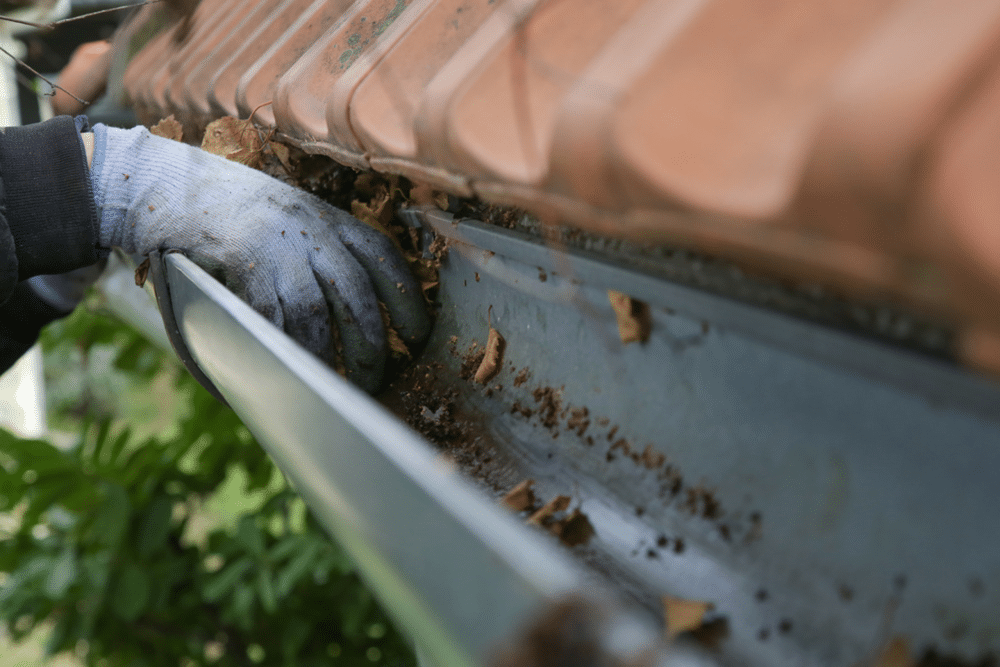
Pieces of roofing material around gutters or landscaping can indicate that a storm affected the roof above. A closer assessment can determine whether the debris corresponds with damaged roofing areas. Connecting ground-level evidence with roof conditions helps homeowners avoid relying only on distant visual observations.
Check the property after severe weather and photograph unfamiliar roofing debris without moving onto the roof.
New Attic or Ceiling Changes
Interior changes can sometimes reveal roofing concerns before exterior damage becomes obvious. Moisture marks or unexpected dampness may justify repairing storm-related roof damage when an inspection confirms a roofing problem. Addressing confirmed damage helps limit continued exposure during later Minnesota weather.
Homeowners in Eden Prairie and surrounding communities should note when interior changes first appeared after severe weather.
Next Steps When Storm Damage Is Not Obvious
A roof that appears normal from the yard may still deserve attention after significant Minnesota weather. Knowing how to check a roof after a storm starts with safe observations and documented changes. These next steps help homeowners determine when a professional evaluation or further action makes sense.
Document Changes Before Conditions Shift
Small exterior changes can become harder to connect with a particular storm as time passes. Ground-level photographs provide a simple record of visible roofing and exterior conditions. Documentation can help homeowners compare changes while deciding whether additional evaluation is necessary.
Photograph visible concerns safely and record the approximate date when the storm occurred.
Schedule an Inspection When Concerns Remain
Homeowners often wonder when to inspect a roof after a storm when no obvious damage appears. An inspection can evaluate roofing components more closely than a ground-level visual check. This additional review helps establish whether observed conditions require maintenance, repair, or continued monitoring.
Homeowners in Edina, Minneapolis, and nearby Twin Cities communities can arrange an evaluation when storm-related concerns remain unresolved.
Review Inspection Findings Before Choosing Repairs
Not every post-storm roofing concern requires the same response. Inspection findings can establish whether damage is isolated or affects a broader portion of the roofing system. Reviewing documented conditions first helps homeowners make repair decisions based on actual findings.
Ask for a clear explanation of identified damage and the work proposed to address it.
Organize Information for an Insurance Claim
Minnesota storm damage to homes can lead homeowners to consider whether documented roofing problems fall within their insurance coverage. Navigating a storm damage insurance claim can involve inspection records, estimates, photographs, and communication with the insurance carrier. Organized documentation helps keep the restoration scope and claim information easier to follow.
Homeowners should confirm coverage, deductibles, and claim decisions directly with their insurance carrier.
Keep Monitoring the Roof After the Storm
Some roofing concerns may become more noticeable when later rain or wind tests an affected area. Continued observation helps homeowners identify new leaks, material changes, or other symptoms after the initial storm. Tracking these developments provides useful context if another roofing evaluation becomes necessary.
Continue checking ceilings, attic areas, and visible exterior surfaces after later periods of heavy Minnesota weather.
Protect Your Minnesota Roof After Severe Weather
Hidden storm damage can be difficult to evaluate from ground level, especially when the roof still appears intact. A free estimate can provide a starting point for understanding documented roofing concerns after severe Twin Cities weather.
Allstar Construction has served Minnesota homeowners since 1979 with roofing and exterior construction services. Contact our team when storm-related roof concerns require a closer professional evaluation.
Frequently Asked Questions
Can a roof have storm damage without missing shingles?
Yes. Roofing materials and vulnerable areas can be affected even when shingles remain in place. Homeowners may notice subtle material changes, interior moisture, or debris before more obvious roofing problems become visible.
How can homeowners safely check a roof after a storm?
Start with observations from the ground and inside the home. Look for visible material changes, debris, ceiling stains, or attic moisture. Avoid climbing onto the roof, particularly when surfaces may be wet or damaged.
Should a roof be inspected if there are no visible leaks?
An inspection may still be appropriate after significant weather because some roofing concerns do not immediately produce interior leaks. A closer evaluation can determine whether roofing components were affected despite appearing normal from the ground.
What information should homeowners keep after storm damage?
Keep photographs, inspection findings, estimates, repair records, and insurance correspondence together. Organized documentation creates a clearer record of what occurred, what damage was identified, and what actions followed the Minnesota storm.