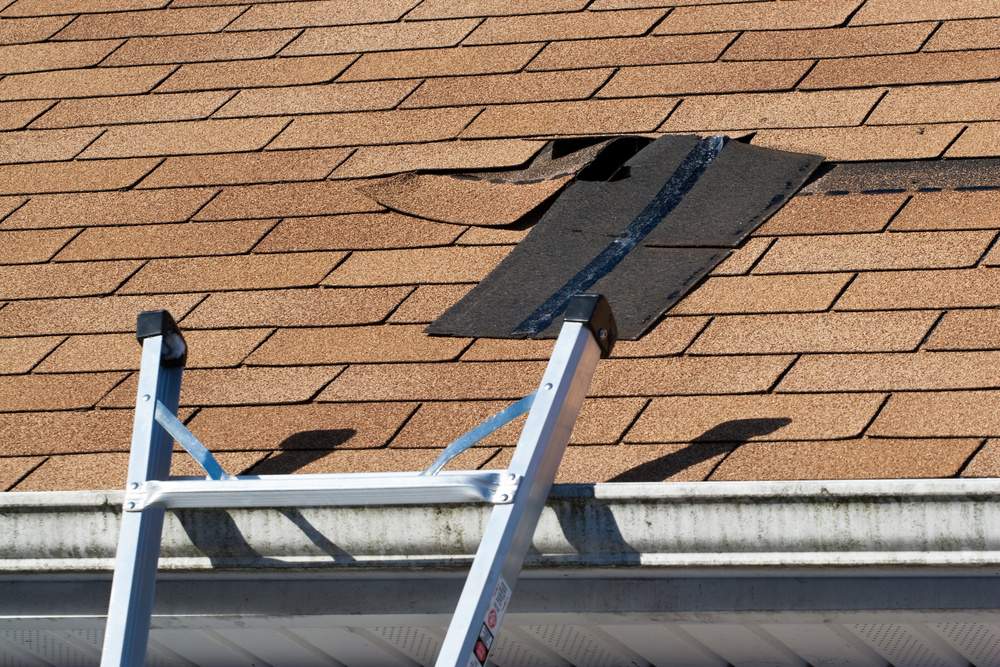
When a powerful storm rolls through the Twin Cities, the aftermath often includes torn shingles, punctured roofs, and unexpected leaks. Emergency roof tarping after a storm in Minneapolis-St. Paul is one of the most critical first steps homeowners can take to prevent further harm and maintain structural integrity. Acting quickly not only safeguards your property from severe weather events but also helps streamline your insurance claim and future roofing projects.
This critical step can protect the entire roof, reduce stress, and keep your home safe until permanent repairs begin.
Key Takeaways
- Emergency tarping provides immediate weather protection after roof damage.
- Quick professional response prevents interior water intrusion and costly repairs.
- Timely tarp installation supports smoother insurance claim approvals.
- Trusted local experts ensure proper roof tarping services and next-step restoration planning.
How Emergency Tarping Protects Storm-Damaged Twin Cities Roofs
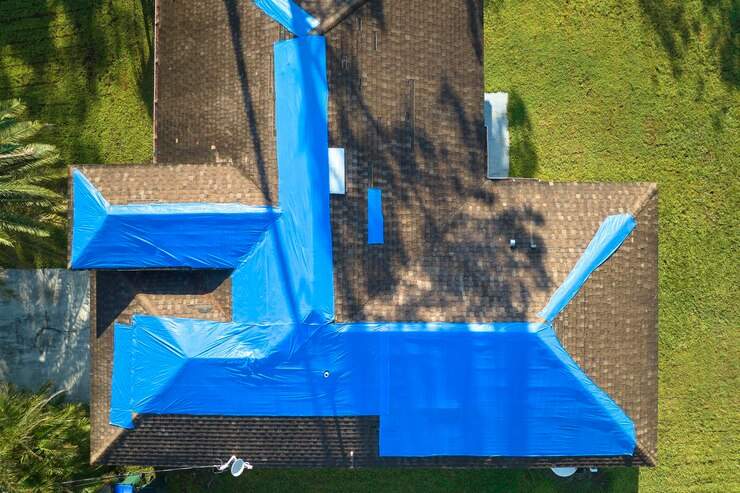
When storms hit Minneapolis-St. Paul, temporary protection is essential to prevent worsening damage. Emergency roof tarping creates a secure, weatherproof layer that shields your property until a roof inspection and restoration can begin.
This temporary solution is vital for homeowners across the Twin Cities, including Eagan, Eden Prairie, and Plymouth, who are dealing with roof damage caused by hail, high winds, or flying debris.
Preventing Water Intrusion Before Repairs Begin
After heavy rainfall or hail damage, even small openings can allow water to seep into attics, insulation, and ceilings. Professional roof tarping seals these compromised areas immediately, preventing water damage and mold growth.
In the Twin Cities’ unpredictable climate—where one storm can turn to snow by nightfall—this quick fix can save homeowners from extensive interior damage while waiting for roof repair or installation. Experienced contractors offer emergency roof tarp installation using high-quality materials that withstand rain, snow, and wind.
Reducing Structural and Insulation Damage
Without emergency roof tarping services, moisture can infiltrate layers of plywood, rafters, and insulation. Over time, this weakens your roof’s structure and reduces your home’s energy efficiency. Local tarping specialists in the Twin Cities use durable, industrial-grade tarps designed to handle Minnesota’s severe weather.
This protective measure maintains safety and thermal control until more permanent professional repairs or shingle replacement and metal roofing projects can be completed.
Acting early prevents structural issues that could compromise your home’s integrity.
Supporting Insurance Claims and Storm Recovery
Roof tarping services also play a vital role in your insurance process. Adjusters often require proof that homeowners took reasonable steps to protect their homes after a disaster strikes.
Promptly hiring professionals to handle storm damage and temporary roof protection shows responsibility and helps your insurance inspector review and approve your claim more quickly. Many insurers cover the cost of emergency roof tarping when handled by licensed experts.
What To Do After Tarping, Timing Insurance And Repairs
Once your roof is securely covered, the recovery process moves into inspection, documentation, and repair planning. Knowing what to do next helps Minneapolis–St. Paul homeowners stay organized and confident during restoration, ensuring every step from insurance claim to professional repairs happens efficiently.
Schedule a Professional Roof Inspection
The next step after tarping is a detailed assessment by a licensed contractor. A professional oversight identifies underlying storm damage, from leaks to broken shingles.
Allstar Construction’s local crews document every damaged area thoroughly—information that becomes essential when working with your insurance company and planning permanent roof replacement and upgrades. They also check for potential issues that may impact future projects, such as structural issues caused by water infiltration.
Contact Your Insurance Company Immediately
Timing is critical after a Minnesota storm hits. Once your roof is tarped and secure, contact your insurer to file a claim. Most policies cover emergency roof tarping and related tarp installation when completed by certified professionals. Submitting detailed inspection reports, photos, and invoices ensures your insurance claim moves forward efficiently.
This collaboration with your insurance company helps you recover faster and minimize out-of-pocket expenses for permanent repairs or re-roofing work.
Plan Long-Term Repairs and Preventive Maintenance
With coverage approved, homeowners should schedule professional repairs as soon as possible to restore safety and durability. Whether it’s replacing damaged shingles, improving attic ventilation, or upgrading gutters and siding, proactive maintenance strengthens your home’s resistance to severe weather.
In the Minneapolis area, where snow, ice, and hail are common, preventative care and inspections help avoid future storm damage. Investing in lasting solutions protects not only your property but also your peace of mind.
Restore Strength and Security to Your Roof Today
When your roof is damaged by severe weather or wind, immediate action is essential. Allstar Construction has provided reliable emergency roofing protection services near Maple Plain since 1979, helping Twin Cities homeowners protect their properties quickly and safely. Our team understands the specific challenges posed by Minnesota’s changing seasons and the unique needs of local homes.
We assess the situation, cover the damaged area, and offer an honest estimate for roofing works. Schedule your free estimate online to connect with Minnesota’s most trusted professionals for emergency roof tarping and storm recovery.
Frequently Asked Questions
How soon should I perform roof tarping after a storm in Minnesota?
Homeowners should schedule emergency roof tarping after a storm in Minneapolis St Paul as soon as possible—preferably within 24 hours of storm damage. Quick response limits water damage, protects your property, and shows the insurance company you acted responsibly. This immediate action also reduces stress and helps maintain your roof’s structural integrity.
Can I install a roof tarp myself after a storm?
While it may seem simple, DIY tarping is dangerous and rarely durable enough to withstand high winds, snow, or debris. Professional roof tarping services use the right tools, equipment, and materials to ensure safety and quality results. Certified experts can cover the roof properly, preventing further damage until permanent repairs or re-roofing can begin.
Will my insurance cover emergency tarping costs?
Yes, most insurers cover emergency roof tarping services as part of storm recovery. Always contact your insurance company immediately after a disaster strikes to verify coverage and start your claim. Submitting documentation of the tarp installation and roof inspection helps speed up approval for storm damage roof repair or replacement.
How long can a tarp safely stay on my roof?
Temporary tarps typically protect your home for 60–90 days, depending on Minnesota’s severe weather conditions. However, homeowners should not wait too long for permanent repairs. Extended exposure to rain, snow, or ice can cause leaks, structural issues, and more costly roof repair needs later. Schedule emergency roof tarping, then follow up quickly with lasting professional repairs and roof replacement when necessary.