Every year, homeowners across the Twin Cities face unpredictable weather, and hailstorms top the list of property concerns. Despite decades of experience inspecting roofs and restoring storm damage, we’ve found that many myths still circulate about what hail can—and can’t—do to your home. At Allstar Construction, we’ve been helping Minneapolis–St. Paul residents have navigated these situations since 1979.
Let’s separate fact from fiction so you can make informed decisions about your roof and home exterior after a storm.
Key Takeaways
- Not all hail damage looks the same, but subtle signs can lead to major issues over time.
- Insurance coverage depends on accurate documentation and professional inspection.
- Spotting real hail damage requires experience and knowledge of material impact.
- Preventive maintenance helps protect against storm-related costs in the long run.
Common Hail Damage Myths Minnesota Homeowners Should Ignore
Hailstorms in the Twin Cities are frequent and fierce, and misinformation often spreads faster than the storms themselves. Here are three myths homeowners should leave behind—straight from the perspective of Allstar Construction, Minnesota’s trusted exterior experts.
Myth 1: “If I Don’t See Damage, My Roof Is Fine”
This is one of the most common misconceptions we encounter after spring and summer storms in Minneapolis, St. Paul, and the surrounding suburbs. Hail damage isn’t always visible from the ground—especially on asphalt shingles. Granule loss, dents, and bruised shingles can weaken your roof’s ability to protect against UV rays and water infiltration.
If left untreated, hidden damage can lead to leaks, mold growth, and costly repairs.
Our professional roof inspection team is trained to identify these subtle issues and provide timely roof repair or shingle replacement solutions before further damage occurs.
Myth 2: “Hail Damage Is Only Cosmetic”
Homeowners sometimes assume dents and small marks on shingles or siding are harmless. The reality is that hail damage often compromises protective granules and underlayment, allowing water infiltration over time.
In areas like Burnsville, Maplewood, and Eden Prairie, we’ve seen storm claims rise when small soft spots become major structural issues. Whether it’s visible dents or cracks in siding, ignoring these signs can lead to hidden damage.
A thorough roof replacement or scheduled roof maintenance ensures your home’s defense system remains strong after any Minnesota hailstorm.
Myth 3: “My Insurance Won’t Cover It Unless There’s a Leak”
Many homeowners wait for visible damage or leaks before contacting their insurance provider, but that’s a costly mistake. Most insurers in Minnesota evaluate hail damage roof myths for Minnesota homes through verified storm data, not just leaks.
A certified roof inspection by Allstar Construction helps streamline the insurance claims process, documenting storm and weather damage accurately.
We provide clear communication with your insurance adjuster to support your storm claims efficiently. Whether you need metal roofing repairs or a new roof installation, our roofing contractor team ensures proper reporting and quality repairs throughout the insurance claim process.
How to Check for Real Hail Damage After Storms
After a major Twin Cities hailstorm, homeowners often ask us what they can safely check before calling a professional. A careful visual inspection can help identify early warning signs of storm and weather damage, but a trained expert should always confirm the extent of the impact.
Professional evaluation ensures that small issues—like loose shingles or dented gutters—don’t evolve into larger structural concerns.
Start With a Safe, Ground-Level Inspection
Begin by looking for dented gutters, damaged downspouts, or loose granules around your home—these are common signs of hail impact.
Missing shingles, cracked siding, or bruised shingles can also point to hidden roof damage. While you should avoid climbing onto the roof, observing from the ground helps spot visible damage.
If you suspect roof issues, schedule a professional roof inspection immediately to prevent water damage or mold.
Compare Roof Aging and Storm Impact
It’s important to distinguish normal wear from hail impact.
Natural aging causes even fading, while hail strikes leave random dents and soft spots. Our project managers use advanced diagnostic tools to document signs of hail damage and help homeowners understand hail vs. wear and tear roof damage differences.
This step is essential before filing a claim with your insurance company to ensure coverage for repairing hail damage and prevent rejection due to misidentification.
Get a Professional Evaluation for Peace of Mind
Even if your roof looks fine, hidden structural damage is possible. Our experts provide detailed storm damage assessments across the Twin Cities, inspecting siding, gutters, windows, and doors for cracks or water intrusion.
We also evaluate ventilation and insulation and perform ice dam removal to stop further damage caused by blocked drainage or trapped moisture. Whether residential or commercial roof projects, our team ensures quality repairs and long-term protection against large hailstones and future storms.
Trust Allstar Construction to Repair Hail Damage and Fortify Your Home
Allstar Construction has been Minnesota’s trusted name in storm and weather damage restoration since 1979. Our certified roofing professionals understand the challenges Twin Cities homeowners face after severe hailstorms, from documenting hail damage for insurance claims to completing precise, lasting repairs. We’re committed to protecting your home with craftsmanship and materials proven to endure Minnesota’s toughest conditions.
Schedule your free estimate today to begin your inspection or repair.
Our Twin Cities specialists will restore your home’s strength and appearance—keeping it secure, watertight, and ready for whatever the next storm brings.
Frequently Asked Questions
How can I tell if hail has damaged my roof?
Look for visible dents, missing shingles, or granule loss in gutters after a hailstorm. Professional roof inspections identify bruised shingles, soft spots, and structural issues that homeowners may miss from the ground. It’s best to schedule a professional roof inspection soon after storm damage to prevent further damage or water infiltration.
Do hailstones always damage roofs in the Twin Cities?
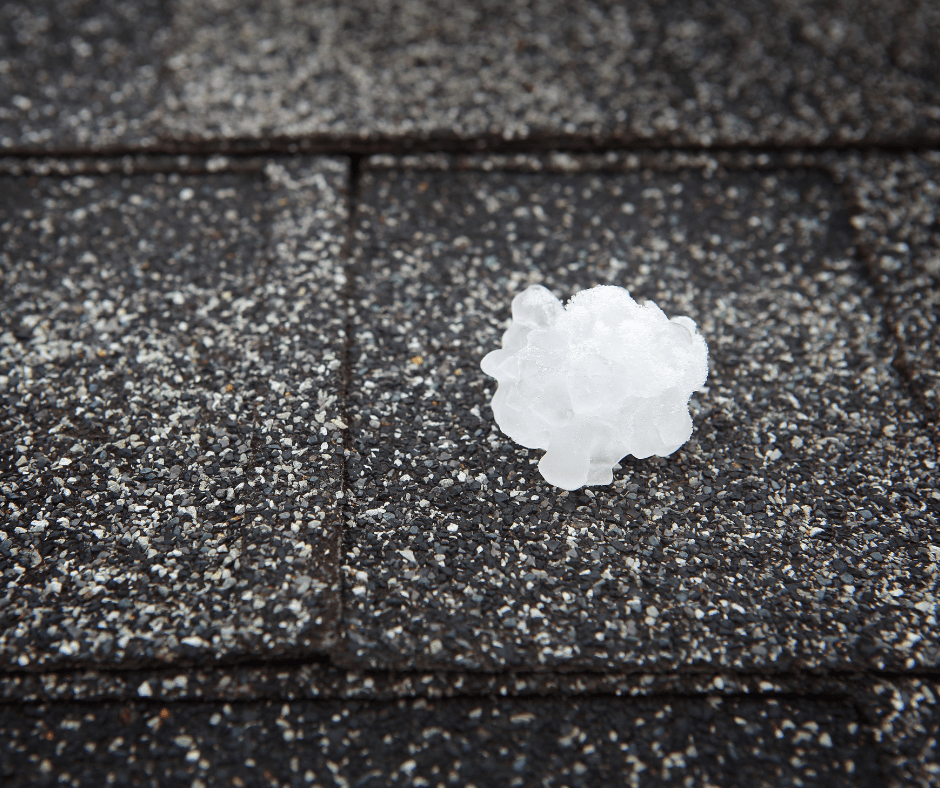
Not all hail causes damage, but repeated exposure during Minnesota hailstorms can weaken shingles and protective granules. Asphalt shingles may hide small bruises that become visible over time as UV rays and moisture erode them. Dealing promptly with even minor visible damage prevents costly repairs and ensures long-term roof protection.
How does insurance claim view hail damage claims in Minnesota?
Most insurers rely on documentation from a licensed roofing contractor and an insurance adjuster’s assessment. A timely inspection helps your insurance company process the claim accurately, minimizing delays. Allstar Construction assists homeowners through the insurance claims process, ensuring full coverage and clear communication with your insurance provider.
What are the best materials for hail protection?
Impact-resistant shingles like GAF Timberline, DaVinci, and Brava are designed to resist large hailstones and maintain your roof’s ability to shed water. These materials reduce the risk of water infiltration and structural damage after storms. Many homeowners choose them for their durability, lower insurance claim frequency, and proven performance across Minnesota homes.