Proper attic ventilation plays a critical role in protecting roofing systems across Apple Valley, MN, where homes face wide temperature swings, heavy snowfall, and humid summer heat. From our perspective as a long-standing exterior contractor serving this community since 1979, we consistently see how attic airflow directly affects roof lifespan, energy efficiency, and indoor comfort. Ventilation deficiencies are often among the first contributors to long-term roof performance issues we identify during evaluations.
When intake and exhaust vents work together to regulate attic temperatures and moisture levels, roofing materials perform as designed, and costly issues such as ice dams, moisture accumulation, and roof deck deterioration are far less likely to occur.
Key Takeaways
- Balanced intake and exhaust ventilation helps regulate attic temperatures in Apple Valley, MN, homes throughout every season.
- Proper attic ventilation reduces moisture buildup that can lead to mold growth, wood rot, and roof structure damage.
- Well-ventilated attic systems help lower energy bills by reducing strain on cooling systems and air conditioners.
- Preventing heat buildup in summer and moisture accumulation in winter helps extend the overall roof lifespan.
- Professional ventilation inspections identify poor airflow issues before they cause costly repairs.
Why Balanced Attic Airflow Protects Apple Valley Roofs Year-Round
Balanced attic airflow is essential for protecting roofing systems against Apple Valley’s seasonal temperature extremes. Proper intake and exhaust ventilation work together to stabilize attic conditions and support long-term roof performance across homes throughout the Apple Valley, MN service area.
Managing Excessive Heat During Minnesota Summers
In Apple Valley homes, summer heat can trap hot air inside the attic space, driving attic temperatures far beyond outdoor conditions. From a roofing contractor’s standpoint, proper attic ventilation allows hot air to exit through exhaust vents such as ridge vents or box vents while cooler air enters through soffit vents.
This continuous flow helps protect shingles and underlayment during both new roof installation projects and existing roofing systems exposed to prolonged heat.
Reducing Moisture Accumulation in Cold Weather
Winter conditions in Apple Valley create a unique challenge in which warm air rises into the attic and meets cold roof surfaces. Without proper roof ventilation, this warm, moist air condenses, leading to moisture buildup on the roof deck and attic floor.
We frequently address these issues during corrective roof repair work, where poor attic ventilation has contributed to mold growth, wood rot, and compromised roof structures.
Preventing Ice Dams Along Roof Edges
Ice dams are a common issue we see on Apple Valley roofs with uneven attic temperatures. When heat escapes into the attic due to inadequate ventilation or insulation gaps, snow melts and refreezes along the roof edges.
Balanced ventilation plays a key role in preventing these conditions, especially on older roofs that may already be candidates for future roof replacement due to repeated winter damage.
Supporting Overall Roofing System Performance
A well-ventilated roof supports the entire roofing system by protecting underlayment, decking, and shingles from temperature-related stress.
From our service perspective, proper airflow ensures that roofing materials perform as intended, whether the home is located in Apple Valley or other Minnesota communities we serve, including Baxter, MN.
Key Ventilation Checks Before Minnesota Heat and Winter Set In
Seasonal transitions are the most important times to evaluate attic ventilation in Apple Valley, MN, homes. Proactive inspections help identify airflow issues before they lead to moisture damage, energy loss, or roof deterioration that can shorten the lifespan of the roofing system.
Verifying Adequate Intake Vent Placement
Before seasonal extremes arrive, we inspect soffit vents and other intake vents to confirm there is enough fresh air entering the attic.
In Apple Valley homes, blocked or insufficient intake vents are a leading cause of poor airflow. Ensuring proper placement and clear pathways for cool air is essential for maintaining balanced attic ventilation systems.
Evaluating Exhaust Vent Effectiveness
Exhaust vents such as ridge vents, box vents, or gable vents must be properly sized and positioned to allow warm, moist air to escape efficiently. From a contractor’s standpoint, inadequate ventilation often stems from mismatched intake and exhaust capacity, which can accelerate roof deterioration if left unaddressed.
Checking Attic Insulation Alignment with Ventilation
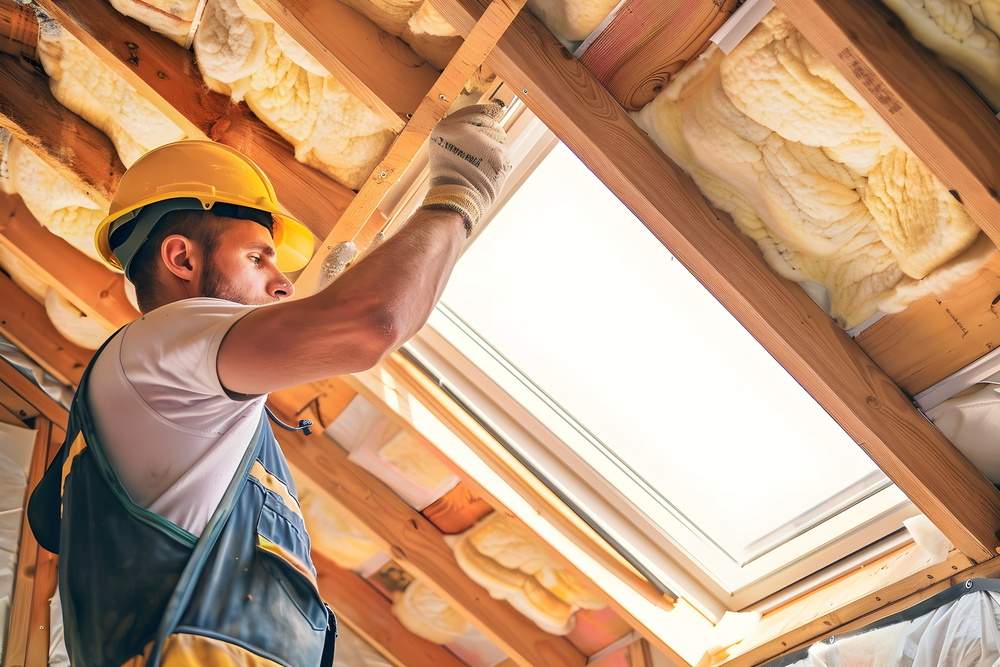
Proper attic insulation must work alongside ventilation, not against it.
In Apple Valley, we frequently find insulation blocking soffit vents or compressing airflow channels. Correcting these issues helps prevent excess heat, moisture problems, and rising energy costs while supporting long-term roof performance.
Identifying Signs of Poor Airflow Early
Uneven roof temperatures, high energy costs, and visible moisture stains are often early indicators of inadequate attic ventilation. Our inspections focus on catching these warning signs before they escalate into costly repairs, helping homeowners maintain a healthier living space and an energy-efficient home.
Ready to Improve Roof Ventilation in Apple Valley
If you are concerned about attic ventilation for roof performance in Apple Valley, working with an experienced local contractor makes a measurable difference.
Allstar Construction provides professional attic ventilation and insulation assessments designed for Minnesota homes and weather conditions. To schedule an evaluation or discuss your roofing concerns, please contact us.
Frequently Asked Questions
How does attic ventilation affect roof lifespan in Apple Valley homes?
Proper attic ventilation reduces temperature extremes and moisture buildup that accelerate roof deterioration. By maintaining balanced airflow, roofing materials last longer, and the roof deck remains protected from condensation-related damage common in Minnesota climates.
Can poor attic ventilation increase energy bills?
Yes, poor ventilation traps hot air in summer and moist air in winter, forcing cooling systems and furnaces to work harder. Adequate ventilation helps regulate attic temperatures, leading to lower energy costs and improved energy efficiency.
What types of roof vents work best for Minnesota homes?
Ridge vents combined with soffit intake vents are often effective for creating continuous airflow, though box vents or gable vents may be appropriate depending on roof pitch and attic layout. A professional inspection ensures the ventilation system is properly matched to the home.
When should attic ventilation be inspected?
We recommend inspections before peak summer heat and before winter snowfall. Seasonal checks help identify ventilation issues early, preventing moisture problems, ice dams, and unnecessary roof repairs.