High winds are a familiar part of life in the Twin Cities and across Greater Minnesota. While most homeowners expect the occasional storm, few realize how easily wind uplift can compromise a roof and lead to serious water intrusion. Once shingles lift, moisture can enter the decking, insulation, and even interior walls.
Understanding how to protect your home after a high-wind event helps prevent costly damage, maintain energy efficiency, and extend the lifespan of your roof.
Key Takeaways
- Wind uplift weakens shingles, flashings, and seals—making early roof inspection essential.
- Prompt roof repair and maintenance can prevent long-term water intrusion.
- Proper ventilation, insulation, and gutter systems protect against secondary damage.
- Partnering with a trusted local contractor ensures durable restoration built for Minnesota weather.
Steps to Prevent Water Damage After Wind Uplift on Twin Cities Roofs
After a major storm, homeowners across Minneapolis, St. Paul, Eagan, Eden Prairie, and surrounding communities often wonder what to do next. Preventing water damage starts with rapid response and professional evaluation.
Here’s how to safeguard your home’s roof and exterior before small issues turn into major repairs during severe storms or heavy rain.
Schedule a Professional Roof Inspection
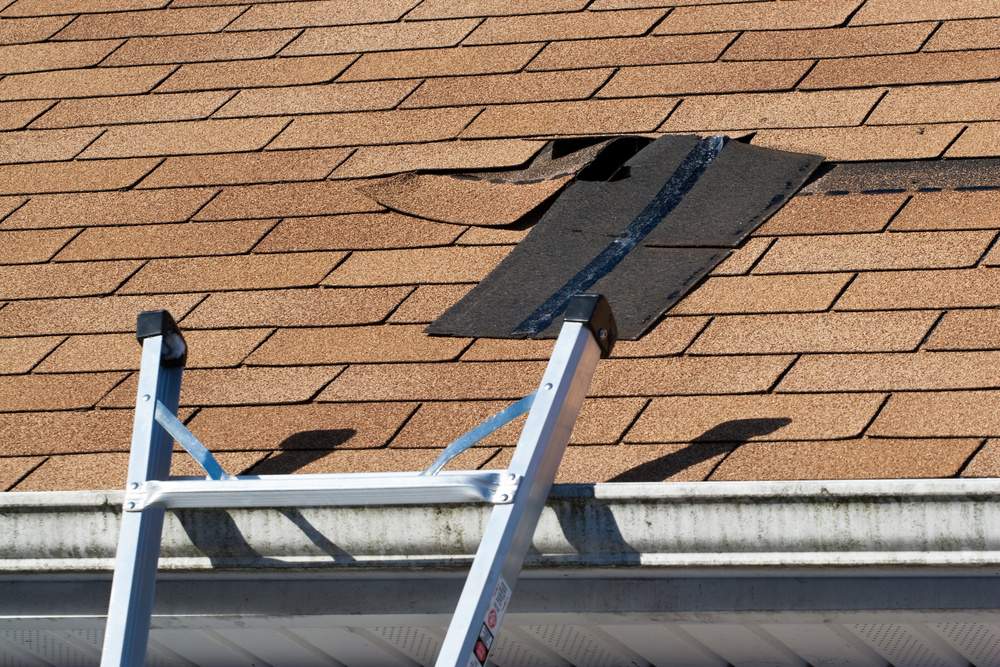
The first and most important step after a wind event is a complete roof inspection. Certified experts can identify lifted shingles, missing shingles, and loose flashing that may have been damaged by high winds or dangerous projectiles. In the Twin Cities, where the freeze-thaw cycle and strong winds can worsen existing weaknesses, early detection is crucial.
Allstar Construction’s trained inspectors know how to evaluate both residential and commercial roof systems for hidden signs of wind damage, ensuring water leaks and mold growth are addressed promptly before serious damage occurs.
Repair Damaged Areas Promptly
Even minor gaps in shingles or flashing can allow water to infiltrate during the next rainfall. Immediate roof repair helps prevent deterioration of underlayment, attic insulation, and drywall while reducing the risk of structural damage or water stains.
Homeowners in Minneapolis and Greater Minnesota often overlook small punctures caused by debris or overhanging branches—yet these are prime entry points for water intrusion.
A professional team can replace damaged shingles, seal cracks with roofing cement, and restore your roof’s weather seal to prevent further deterioration or costly roof replacement later on.
Maintain Gutters and Flashing Systems
Clogged gutters and failing flashing are two of the biggest culprits in post-storm water intrusion. Clean, functional gutters guide rainfall safely away from your foundation, while properly sealed metal flashing around chimneys, ridge vents, and roof edges prevents localized leaks.
After a wind event, it’s smart to schedule seasonal gutter cleaning and flashing inspections—especially before Minnesota’s spring thaw or autumn freeze.
For added protection, consider upgrading to seamless aluminum gutters that resist bending and detachment under strong winds and help cover storm damage by keeping runoff controlled.
What to Inspect and Prioritize Before the Next Storm
Wind uplift isn’t always visible, and damage can worsen with each weather cycle. Preparing your roof now can prevent serious leaks when the next storm hits the Twin Cities.
Homeowners in Plymouth, Maplewood, and Edina know that a proactive approach—combining professional oversight with preventive care for every element of the home’s exterior, from roof faces to siding and decks—offers lasting protection against Minnesota’s unpredictable weather.
Assess Shingles and Roof Components
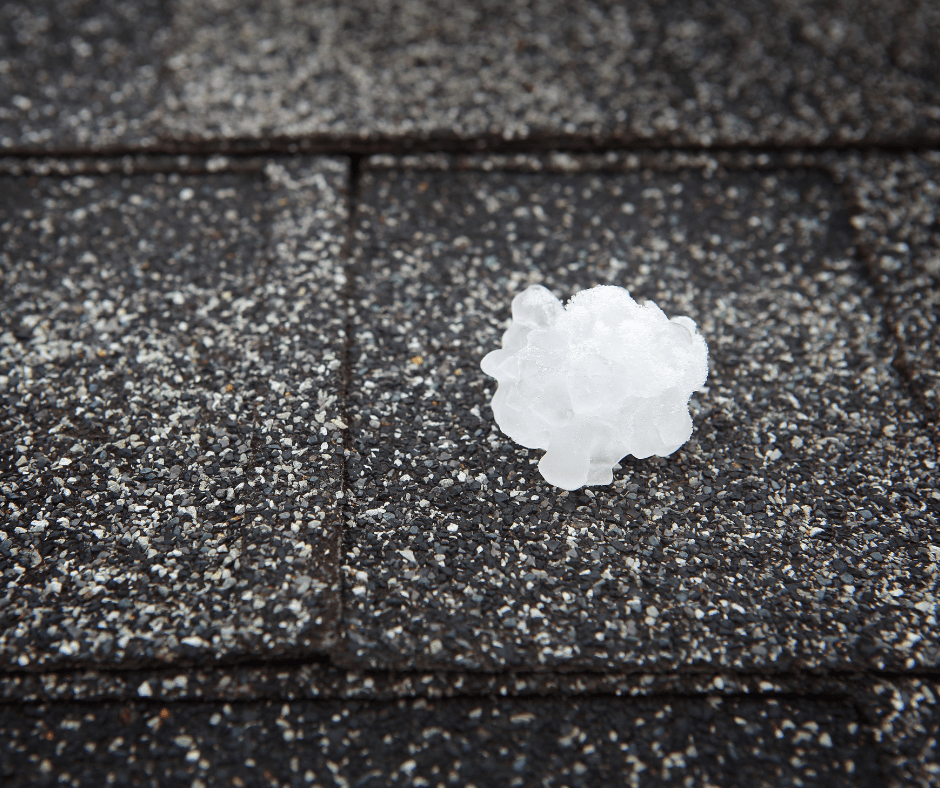
Shingles loosen gradually under repeated wind stress, especially during severe weather or hail damage. Look for uneven lines, torn shingles, or curling edges—common indicators that your shingle replacement is overdue. Minnesota roofs face high winds, ice dams, and melting snow that can loosen shingles and compromise protective granules.
Allstar Construction uses asphalt shingles from GAF, CertainTeed, and Owens Corning that meet the region’s highest wind-resistance ratings, helping property owners protect their homes from future storms and major problems.
Inspect Attic Ventilation and Insulation
Water damage often begins inside the attic, where poor airflow can mimic leaks and cause mold growth. Proper ventilation and insulation prevent condensation buildup by balancing ridge vents and soffit vents to regulate attic temperature. Our team routinely checks insulation density and ventilation paths to keep air moving efficiently.
When paired with consistent roof maintenance, this combination protects your roof’s vulnerable areas, reduces ice dams, and reinforces energy efficiency through heavy snow and severe weather.
Check Siding, Decks, and Entry Points
High winds don’t stop at the roofline. Professionally installed siding, well-built decks, and secure doors all play a crucial role in protecting your home from water infiltration during driving rain or future storms. Reinforce windows and inspect seals to prevent water leaks or the need for structural repairs later.
Allstar Construction provides full-exterior evaluations to ensure your entire envelope performs as one system, using proven storm damage repair techniques and weather damage prevention.
By addressing loose flashing, exposed underlayment, or other minor damage promptly, homeowners across Greater Minnesota can avoid further damage and ensure their property remains strong year-round.
Be Ready Before the Next Storm Hits the Twin Cities
When wind and rain strike, fast action matters. Allstar Construction has helped Twin Cities homeowners safeguard their properties since 1979 with proven storm damage restoration and roof installation expertise. Whether you need immediate repairs or a complete roof replacement after severe storms, our licensed professionals handle every step—from inspection and insurance claim coordination to installation and cleanup.
Call us today at (763) 325-1727 or contact us for your free estimate to restore your home’s protection before the next storm hits.
Frequently Asked Questions
How does wind uplift cause leaks in homes?
Wind uplift breaks the adhesive seal between shingles and decking, loosening shingles and allowing rainwater to flow underneath. This process exposes the underlayment, creating roof leaks and potential structural damage if not addressed promptly. During severe weather or strong winds, lifted shingles and roof edges become prime locations for water intrusion and future damage.
What are the most reliable roof water damage prevention methods after a storm?
Regular roof inspections are the most effective way to prevent water damage. Keeping gutters clear, sealing loose flashing, and checking attic ventilation help minimize moisture buildup and mold growth. Using high-quality roofing materials and maintaining proper ventilation after heavy rain ensures your roof can handle Minnesota’s severe storms.
What signs indicate wind uplift roof damage in Minnesota?
Look for missing shingles, loose shingles, or granule loss after high winds or hail damage. Other warning signs include water stains in the attic, exposed underlayment, or visible damage along roof edges and metal flashing. Even minor damage can worsen during the freeze-thaw cycle or heavy snow, so professional inspection by a trusted roofing contractor is essential.
Can Allstar Construction help with storm damage and water intrusion solutions?
Yes. Our specialists provide complete storm and weather damage restoration services, including emergency repairs, structural drying, and storm damage repair. We also guide homeowners through the insurance process, ensuring every claim is handled promptly so that vulnerabilities are fixed before future storms cause serious damage.