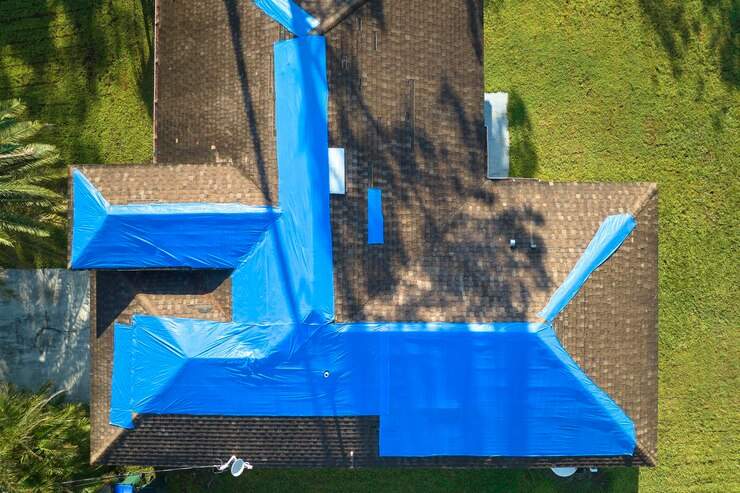
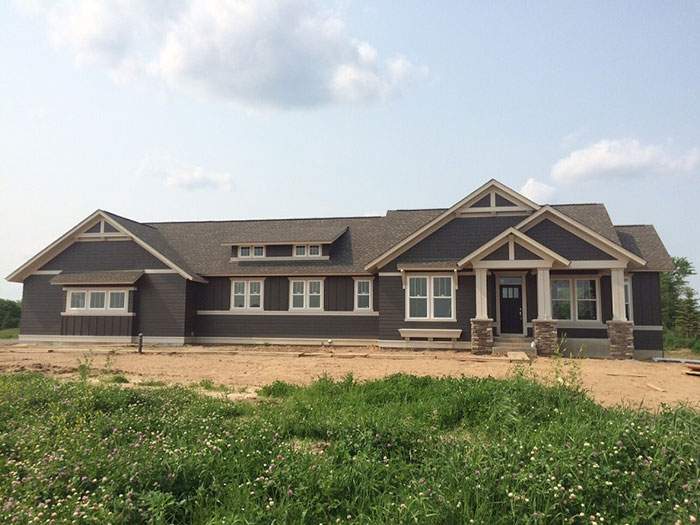
Minnesota’s weather can challenge even the most well-built roof. Between humid summers, cold winters, and constant freeze-thaw cycles, moisture takes a steady toll on roofing systems across communities like Maple Plain, Eden Prairie, and throughout the Twin Cities. Homeowners who understand how humidity and moisture impact roof performance can make smarter choices when it comes to roof repair, roof replacement, and seasonal maintenance.
Key Takeaways
- High humidity and moisture are silent contributors to roof damage in Minnesota homes.
- Proper ventilation, insulation, and material choice extend roof longevity.
- Professional roof inspections can identify early signs of moisture intrusion.
- Seasonal roof maintenance helps prevent mold, rot, and structural deterioration.
How Minnesota Humidity and Moisture Affect Roof Durability
Humidity is one of Minnesota’s most persistent roofing challenges. When warm air meets cooler roof materials, condensation can form under shingles or in attics. This moisture accelerates wear, undermines shingle adhesion, and shortens a roof’s life.
Understanding how to control and prevent this buildup is essential to protecting your investment and improving energy efficiency in your home.
Moisture Intrusion and Hidden Damage
In places like Maplewood and Eden Prairie, where summer humidity often lingers, moisture can seep into roof decking and underlayment. Over time, it causes soft spots, sagging, mildew growth, and mold growth—issues that often go unnoticed until they lead to leaks or structural concerns. A routine roof inspection helps homeowners detect these hidden problems before they escalate, ensuring long-term roof performance and minimizing costly damage.
Excess moisture can weaken roof sheathing, reduce structural integrity, and increase energy bills due to poor ventilation.
Ventilation and Condensation Control
Many Minnesota homes are built with attic spaces that can trap hot air and moisture. Without proper ventilation, condensation collects beneath the roof deck, eventually damaging insulation and wood rot within the roofing structure. The best roof ventilation for humid climates in Minnesota combines soffit and ridge vents, balancing airflow to reduce moisture buildup and prevent mold growth.
Proper ventilation and adequate insulation keep indoor temperatures steady and help the roofing system resist excess snow, freeze-thaw cycles, and severe storms that often strike during Minnesota weather extremes.
Choosing Roofing Materials That Resist Moisture
Not all roofing materials perform equally in humid conditions. Asphalt shingles are common in Minnesota, but high humidity can shorten the average roof lifespan by loosening granules and adhesives. Metal roofing, slate tiles, and synthetic options like Brava or DaVinci are among the best roofing materials for durability and moisture resistance.
A professional installation ensures proper flashing, underlayment, and drainage to protect your roof deck and prevent water intrusion. Choosing the right roofing material also enhances energy efficiency, lowers cooling costs, and minimizes frequent repairs caused by repeated freeze-thaw cycles.
Steps to Protect Roofs Through Minnesota’s Freeze-Thaw Cycles
Minnesota’s climate shifts dramatically from humid summers to freezing winters. Cities like Eagan, Lakeville, and Burnsville regularly experience freeze-thaw cycles that expand trapped moisture within roofing materials, causing cracked shingles, curling, or leaks.
Proper preparation and proactive maintenance are key to protecting your roof from weather conditions that challenge its structural integrity.
Timely Ice Dam Removal and Snow Management
Ice dams form when attic heat melts snow, which refreezes near the roof’s edge. This traps melted snow beneath shingles, leading to water infiltration and wood rot. Professional ice dam removal ensures the process is handled safely and effectively, preventing shingle damage and preserving gutter systems.
Ice dam formation can lift shingles and cause costly repairs if left unchecked. Removing heavy snow buildup and improving attic ventilation are proactive maintenance steps that keep your roof strong throughout harsh winters and high winds.
Regular Roof Inspections and Preventive Maintenance
Homeowners across Minnesota benefit from scheduling seasonal inspections. These assessments identify missing shingles, blocked vents, and early signs of moisture buildup. Combining inspections with annual roof maintenance prevents small issues from escalating into major leaks or structural damage.
Regular inspections extend roof longevity, especially during extreme weather conditions, and ensure the roofing system performs efficiently through both summer humidity and freezing temperatures.
Material Upgrades and Proper Drainage
Durable materials like metal or slate roofing handle moisture and freezing temperatures exceptionally well, reducing the risk of cracking and water absorption. Well-maintained gutters, downspouts, and smooth surfaces help prevent ice dams from forming and keep water away from the roof’s edge and foundation.
In cities like Edina and Plymouth, reinforcing drainage systems and updating underlayment can dramatically improve a home’s defense against freeze-thaw damage. Proper installation and proactive maintenance help roofs withstand Minnesota’s harsh winters and prevent costly repairs caused by repeated freeze-thaw cycles.
Get a Roof That Resists Moisture, Heat, and Heavy Snow
Allstar Construction has been Minnesota’s trusted roofing and exterior contractor since 1979. From Maple Plain to Eden Prairie, we’ve helped thousands of homeowners strengthen their properties against extreme weather.
Contact our team today for a free estimate and discover why our certified installers and proven warranty options make Allstar Construction a leader in reliable commercial roof and residential services. With expert craftsmanship, proper airflow design, and proactive maintenance, your roof can endure harsh winters, heavy snowfall, and repeated freeze-thaw cycles for decades.
Frequently Asked Questions
What are the most common signs of humidity-related roof damage in Minnesota?
Warped shingles, mold growth, or mildew inside your attic may indicate humidity effects on roof longevity, which Minnesota homes often face. These signs of roof damage can also signal poor ventilation, excess moisture, or a failing roofing system that needs professional inspection. Regular maintenance helps prevent trapped moisture and protects your home’s structural integrity.
How often should Minnesota homeowners schedule a roof inspection?
At least twice a year—once in spring and again before winter—to catch early signs of roof humidity damage and moisture intrusion. Regular inspections by roofing experts ensure proper ventilation, extend your roof’s lifespan, and prevent costly damage caused by extreme weather or freezing temperatures.
Which roofing materials hold up best in Minnesota’s humid summers?
Metal roofing and composite materials like Brava or DaVinci are the best roofing materials for humid climates. They resist excess moisture, reduce energy bills, and handle heavy snow, high winds, and frequent freeze-thaw cycles better than traditional asphalt shingles. A professional installation also ensures proper insulation and drainage to enhance durability.
Can attic ventilation really make a difference in roof longevity?
Yes. Adequate ventilation helps maintain proper airflow, balances indoor temperatures, and prevents condensation during summer humidity. Ridge vents and soffit vents improve energy efficiency, reduce the risk of wood rot, and extend the average roof lifespan in Minnesota homes facing extreme weather conditions.
How can I prevent ice dams from forming during winter?
Ice dams form when warm air melts roof snow, then refreezes at the roof’s edge. Ensuring proper insulation, ventilation, and timely snow removal prevents ice dam formation and costly repairs. Regular maintenance, attic ventilation improvements, and moisture management keep roofs durable despite repeated freeze-thaw cycles.