
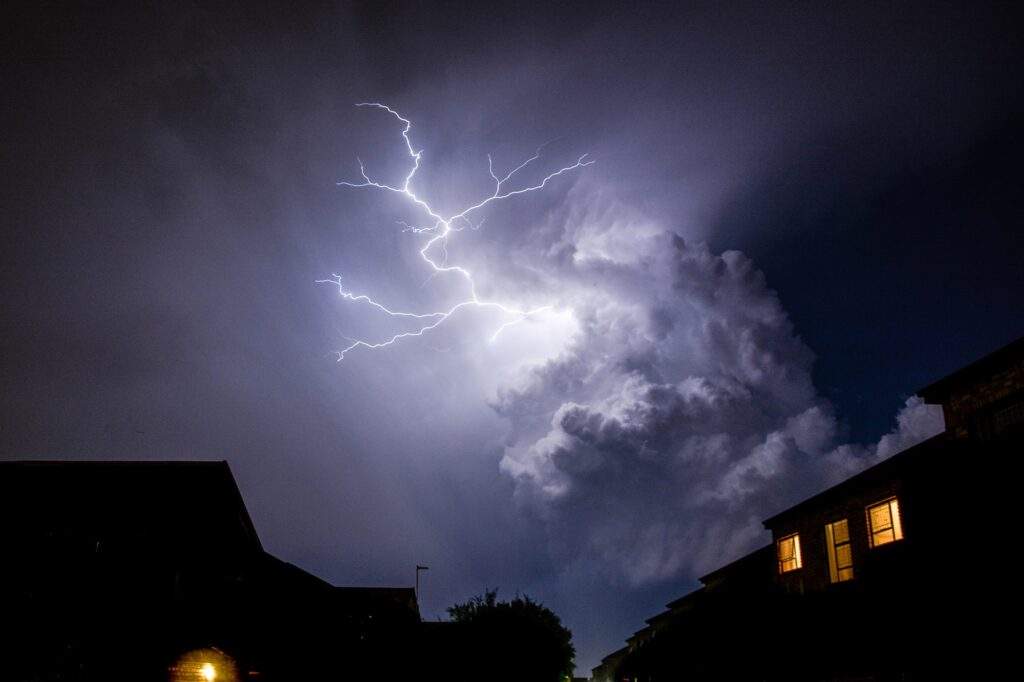
Minnesota storms often leave behind subtle exterior damage that homeowners may not notice immediately. Heavy wind, hail, and rapid temperature changes across Minneapolis and St. Paul can weaken roofing materials over time. Small issues often develop quietly after severe weather passes through Twin Cities neighborhoods.
Early attention to visible warning signs helps prevent moisture intrusion and expensive structural repairs. Prompt inspections also help homeowners address minor roofing concerns before leaks spread throughout vulnerable exterior systems.
Key Takeaways
- Wind and hail damage often appear before interior leaks become visible.
- Small roofing issues can quickly worsen during Minnesota freeze and thaw cycles.
- Exterior systems like gutters and siding help protect vulnerable roof sections.
- Fast inspections after storms help homeowners reduce long-term repair costs.
Storm Damage Warning Signs Minnesota Homeowners Should Check
Minnesota weather creates recurring stress across roofing systems, especially after severe summer storms and winter freeze cycles. Homeowners in Minneapolis, Maple Grove, and Lakeville often notice minor changes before significant water intrusion develops. These early warning signs usually indicate developing damage requiring prompt attention through roof inspection or roof repair services.
Watch for Missing or Lifted Shingles After High Winds
Strong Twin Cities windstorms frequently loosen shingles around roof edges, valleys, and ridgelines during seasonal weather shifts. Exposed roofing layers allow moisture penetration, eventually leading to attic staining and hidden deck deterioration beneath affected sections. Prompt roof repair helps stabilize vulnerable areas before heavy rain or snow creates more widespread interior damage.
Check Gutters for Granule Buildup and Drainage Overflow
Large amounts of asphalt granules inside gutters often signal aging shingles weakened by hail or prolonged sun exposure. Overflowing gutters may also trap water along roof edges, increasing moisture exposure near fascia boards and soffits. Proper gutter maintenance supports drainage performance while helping protect nearby siding from recurring storm-related moisture problems.
Inspect Flashing and Window Areas for Water Entry Points
Storm-driven rain commonly penetrates aging flashing near chimneys, skylights, and upper-story window assemblies across older Minnesota homes. Small gaps around these transition points may cause hidden leaks before stains appear inside finished living spaces. Early roof inspection and window evaluations help identify moisture pathways before structural repairs become significantly more expensive.
Repair Priorities Before Minor Leaks Spread
Storm-related roofing damage rarely improves without corrective action, especially during Minnesota’s changing seasonal conditions. Homes in Edina, Plymouth, and Burnsville often experience worsening leaks after repeated snow accumulation or spring rainfall. Prioritizing repairs quickly helps homeowners avoid insulation damage, mold growth, and unnecessary roofing expenses.
Address Active Roof Leaks Before Interior Moisture Expands
Even small ceiling stains may indicate trapped moisture spreading beneath insulation layers and nearby wooden framing components. Ongoing leaks frequently worsen during overnight freezing temperatures that expand existing cracks within damaged roofing materials. Immediate roof repair reduces interior water migration while helping preserve surrounding drywall and attic ventilation systems.
Secure Damaged Siding and Exteriors After Storm Exposure
Loose siding panels often expose underlying wall assemblies to wind-driven rain during severe Twin Cities weather conditions. Moisture trapped behind damaged exterior materials may eventually affect insulation, framing stability, and nearby window openings over time. Timely siding adjustments help maintain weather resistance while reducing additional storm-related deterioration around vulnerable exterior sections.
Prevent Structural Moisture Around Deck and Drainage Areas
Improper drainage near decks can direct water toward roofing edges, foundation lines, and lower exterior wall assemblies. Standing moisture often accelerates wood deterioration and contributes to hidden leaks beneath adjoining roof transitions and flashing systems. Correcting drainage concerns near decks and gutters helps minimize long-term exterior moisture exposure across connected structural components.
Strengthen Your Minnesota Roof Against Storm Damage and Hidden Water Intrusion
Allstar Construction has helped Minnesota homeowners protect their properties from severe weather since 1979. The company handles roofing concerns, damaged gutters, siding issues, aging windows, and storm-related deck damage. Homeowners across Minneapolis and St. Paul rely on durable exterior solutions built for demanding Minnesota weather conditions.
Schedule your free estimate today.
Serving homeowners across the Twin Cities and surrounding Minnesota communities, trusted roofing professionals deliver dependable craftsmanship and responsive storm restoration support. Homeowner confidence continues growing through consistent project results, strong local reputations, and reliable exterior protection tailored for Minnesota homes.
Frequently Asked Questions
How soon should homeowners inspect their roofs after a Minnesota storm?
Homeowners should inspect roofing conditions within several days after major hail, wind, or heavy rain events. Fast inspections help identify developing damage before water infiltration worsens during additional seasonal weather exposure.
Can small roof leaks become serious during Minnesota winters?
Yes, freeze and thaw cycles often expand small roofing cracks and increase moisture penetration beneath roofing materials. Minor leaks frequently worsen during winter because trapped water freezes and forces materials apart over time.
What exterior areas commonly show storm damage first?
Roof edges, flashing sections, gutters, and siding corners often reveal early storm damage before interior symptoms appear. These exposed exterior areas experience direct wind pressure and repeated moisture exposure during severe weather conditions.
Why do insurance claims often require professional inspections?
Professional inspections help document storm-related damage accurately while identifying hidden issues not immediately visible from ground level. Detailed evaluations also help homeowners understand repair priorities before submitting insurance claims for exterior restoration work.