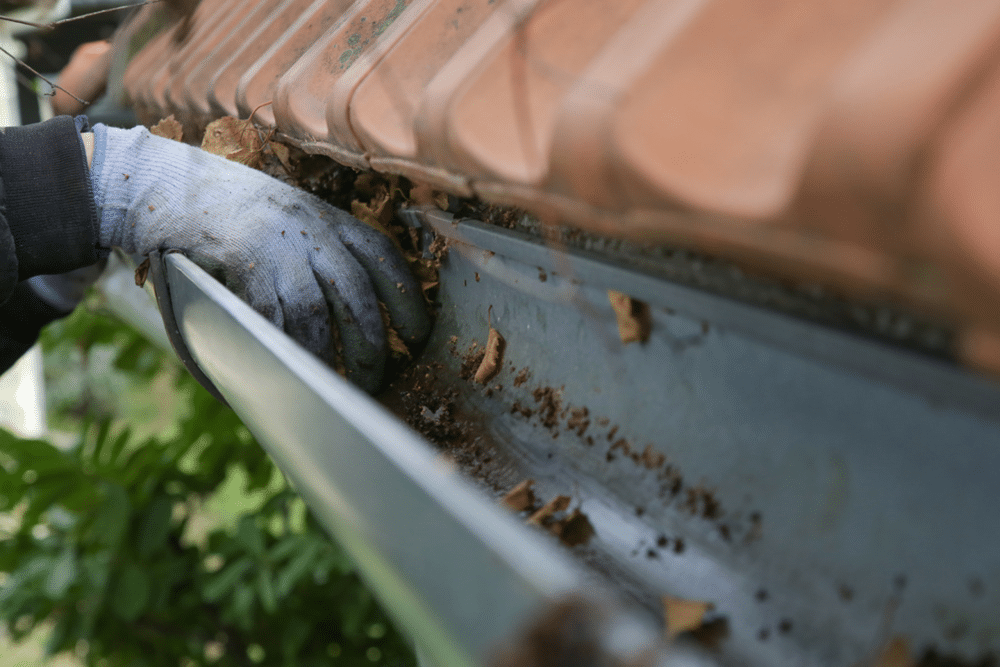

Gutter cleaning for Minnesota homes is essential for preventing water damage during heavy rainfall, seasonal snowmelt, and changing weather conditions. Throughout Minneapolis and St. Paul, clogged gutters can redirect water toward siding, foundations, and vulnerable roof edges.
Knowing when to clean gutters helps homeowners address drainage problems before they become expensive exterior repairs. This guide explains the most important cleaning periods, practical maintenance steps, and warning signs Twin Cities homeowners should recognize.
Key Takeaways
- Spring and fall gutter cleaning helps Minnesota homeowners prepare for seasonal rainfall and freezing temperatures.
- Overflowing water, sagging gutters, and visible debris often indicate drainage problems requiring prompt attention.
- Clear downspouts help direct rainwater away from foundations, siding, and other vulnerable exterior surfaces.
- Regular gutter inspections after storms can identify damage before moisture problems become more serious.
When to Clean Gutters During Minnesota’s Changing Seasons
Minnesota’s changing seasons place different demands on residential gutter systems, making cleaning schedules especially important for preventing drainage problems. The best time to clean gutters in Minnesota depends on seasonal debris, precipitation patterns, and approaching freezing temperatures. These five maintenance periods help Twin Cities homeowners recognize when gutter attention becomes especially important.
Clean Gutters in Early Spring Before Heavy Rainfall
Winter often leaves gutters filled with twigs, roof granules, and debris that restrict drainage when snow begins melting. Removing these obstructions during early spring helps restore water flow before seasonal rainstorms arrive.
This timing reduces the chance of overflowing gutters soaking exterior walls and areas surrounding the foundation.
Homeowners in Minneapolis should examine accessible gutter outlets after the thaw and arrange safe cleaning when accumulated debris becomes visible.
Inspect Gutters During Summer Storm Season
Strong summer thunderstorms can deposit branches, leaves, and windblown materials into previously clear gutters throughout the Twin Cities. Inspecting drainage pathways after significant storms helps identify sudden blockages before another heavy rainfall occurs.
This approach matters because repeated overflow can expose fascia boards, siding, and nearby landscaping to concentrated runoff.
For homeowners, checking for gutter damage after severe storms also helps distinguish ordinary debris accumulation from storm-related exterior damage.
Remove Fallen Leaves During Autumn
Autumn leaf accumulation can quickly obstruct gutters on properties surrounded by mature trees, particularly throughout established St. Paul neighborhoods. Scheduling cleaning after substantial leaf fall removes organic material before it becomes compacted by rain and moisture.
This prevents drainage restrictions from developing during the transition into colder weather.
Properties with overhanging branches may need additional inspections because falling leaves accumulate at different rates throughout the season.
Complete Gutter Cleaning Before Winter Freezing
Debris remaining inside gutters can trap water that freezes when Minnesota temperatures drop below freezing. Completing gutter cleaning before winter helps reduce standing water and allows drainage systems to function during intermittent thaws.
Clear gutters cannot eliminate ice dams, but they reduce avoidable obstructions that can complicate winter drainage.
Homeowners should finish accessible maintenance before icy conditions develop and consider protecting their home from winter roof damage as part of broader seasonal preparation.
Check Gutters During Midwinter Thaw Periods
Temporary winter warming can melt rooftop snow while frozen debris or ice continues blocking gutter outlets. Observing drainage from ground level during these periods helps homeowners recognize overflow and unusual ice accumulation.
Early identification matters because refreezing water can place additional stress on gutters and nearby exterior components.
Avoid climbing icy ladders or attempting to break frozen gutter sections, and seek professional assessment when dangerous ice buildup appears.
Key Gutter Maintenance Steps to Prevent Water Damage
Effective gutter maintenance involves more than removing visible leaves because drainage problems can develop throughout the entire system. Homeowners should monitor gutter channels, downspouts, connections, and surrounding exterior surfaces for signs of restricted water movement. These five practical steps help protect Twin Cities properties from preventable moisture exposure.
Remove Debris From Gutter Channels
Leaves, twigs, and decomposing organic material can accumulate inside gutter channels and prevent rainwater from reaching downspout openings. Removing this buildup restores available drainage space and helps water travel along the intended pathway.
Consistent debris removal keeps your gutters clear and functioning properly during Minnesota’s wettest seasons.
Homeowners should use appropriate safety precautions and arrange professional assistance whenever roof height or difficult access makes cleaning hazardous.
Flush Downspouts to Restore Proper Drainage
Downspouts can remain blocked even after visible gutter debris has been removed, leaving rainwater with no effective exit. Flushing accessible downspouts with water helps reveal restricted flow and identify sections requiring further attention.
Restoring unobstructed drainage prevents water from backing up into gutter channels during substantial rainfall.
Watch the downspout outlet during testing and arrange appropriate clearing if water drains slowly or fails to emerge.
Inspect Gutter Fasteners and Seams
Loose fasteners and deteriorating gutter seams can allow water to escape before reaching the intended downspout connection. Checking these components helps identify areas requiring secure attachment, sealing, or repair. Addressing visible defects reduces the risk of water running behind gutters and exposing fascia boards to prolonged moisture.
Homeowners in Edina and surrounding communities should look for separated joints, visible gaps, or sections pulling away from the roofline.
Direct Downspout Discharge Away From Foundations
Downspouts that release water directly beside a foundation can contribute to saturated soil and unwanted basement moisture. Adjusting discharge extensions helps carry runoff toward an appropriate drainage area away from the building. This reduces concentrated moisture exposure around foundation walls, particularly during spring snowmelt and heavy summer rainfall.
The EPA’s guidance on controlling moisture around homes explains why correcting unwanted water accumulation is important for preventing indoor moisture problems.
Watch for Overflow and Exterior Water Stains
Water stains, overflowing gutters, and erosion beneath roof edges are common signs of clogged gutters or failing drainage components. Identifying these symptoms early helps determine whether cleaning, adjustment, or repairs are necessary. Regular observation is especially useful because drainage failures often become visible only during active rainfall.
For Twin Cities homeowners, regular gutter maintenance helps keep rainwater flowing away from the home. Routine roof maintenance can also help identify moisture-related issues before they cause costly damage.
Protect Your Twin Cities Home With Allstar Construction
Minnesota’s seasonal weather makes dependable drainage essential for protecting residential exteriors. Allstar Construction has served homeowners since 1979, offering gutter installation, maintenance, replacement, and repair services throughout the Twin Cities.
Addressing damaged or poorly functioning gutters helps reduce moisture exposure around roofing, siding, and foundations.
If your gutters show signs of damage, persistent overflow, or drainage problems, contact Allstar Construction for a free estimate. Get expert help from our team to discuss your gutter concerns and determine the appropriate next steps for your Minneapolis, St. Paul, or surrounding Minnesota property.
Frequently Asked Questions
How often should Minnesota homeowners clean their gutters?
Most Minnesota homeowners should inspect and clean gutters at least twice annually, typically during spring and fall. Properties with substantial tree coverage may require additional cleaning after storms or periods of heavy leaf accumulation.
What are the most common signs of clogged gutters?
Common warning signs include overflowing rainwater, plants growing inside gutters, visible debris, and water stains beneath roof edges. Slow downspout drainage and pooling water near foundations may also indicate blockages requiring attention.
Can clogged gutters cause water damage during Minnesota winters?
Yes. Clogged gutters can trap water that freezes during cold weather, creating additional weight and drainage restrictions. Although gutter cleaning cannot prevent every ice dam, removing debris helps reduce avoidable winter drainage problems.
Is professional gutter cleaning necessary for every Minnesota home?
Not necessarily. Some homeowners can safely maintain accessible, single-story gutters using suitable equipment. Taller buildings, steep rooflines, damaged gutters, and difficult access conditions generally warrant professional assistance to reduce injury risks.