Many Minnesota homeowners are learning that cedar roof coverage is becoming harder to secure. Insurance companies continue to reassess risk as aging cedar roofs face severe weather, moisture, and maintenance concerns. Understanding these changes helps homeowners prepare before policy renewals or unexpected coverage adjustments.
Key Takeaways
- Cedar roofs face higher insurance risks because they require ongoing maintenance and weather protection.
- Aging materials often increase the chance of coverage restrictions or policy changes.
- Routine inspections help homeowners identify concerns before insurance renewals.
- Early planning makes coverage discussions and future roofing decisions more manageable.
Why Cedar Roofs Raise More Insurance Risk in Minnesota
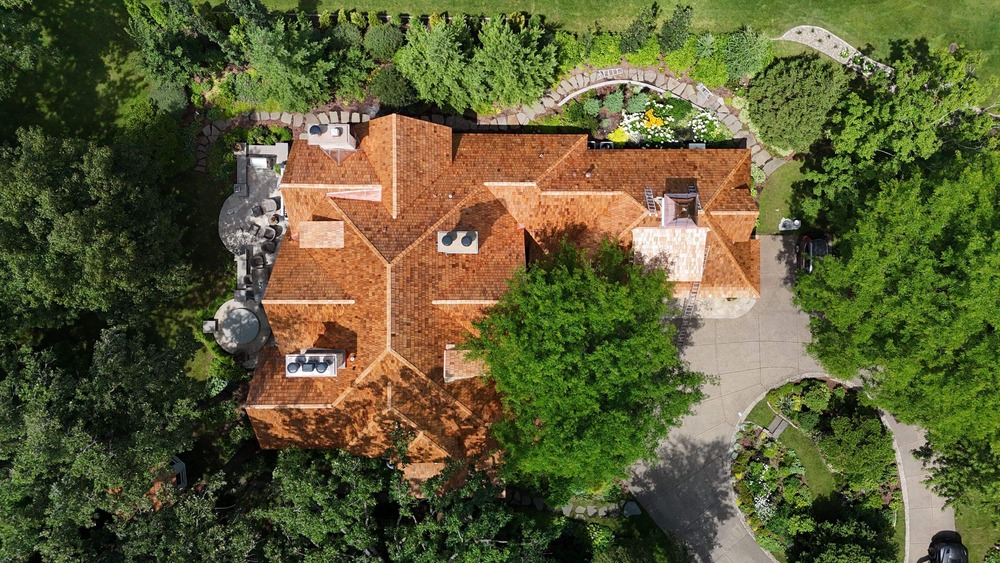
Insurance providers evaluate several factors when reviewing cedar roof coverage. Minnesota’s climate creates conditions that can shorten the lifespan of untreated or aging cedar roofing systems. This section explains the primary reasons insurers increasingly view cedar roofs as higher-risk properties.
Faces Greater Weather Exposure Throughout the Year
Minnesota’s changing seasons expose cedar roofs to snow, ice, heavy rain, hail, and strong winds. This constant weather cycle accelerates natural wear and increases the likelihood of damage requiring roof repair after severe storms. Insurance companies often view repeated weather exposure as a higher long-term financial risk.
Understanding how seasonal weather affects cedar roofing helps homeowners anticipate insurance concerns before policy renewal.
Presents Higher Repair and Replacement Costs
Cedar roofing typically requires specialized materials and experienced installation techniques. These factors can increase the overall cost of significant roof replacement projects compared with more common roofing materials. Higher claim costs naturally influence how insurance companies evaluate coverage.
Reviewing roof condition before major deterioration develops can help homeowners better understand future planning needs.
Requires More Ongoing Maintenance Than Other Roofing Materials
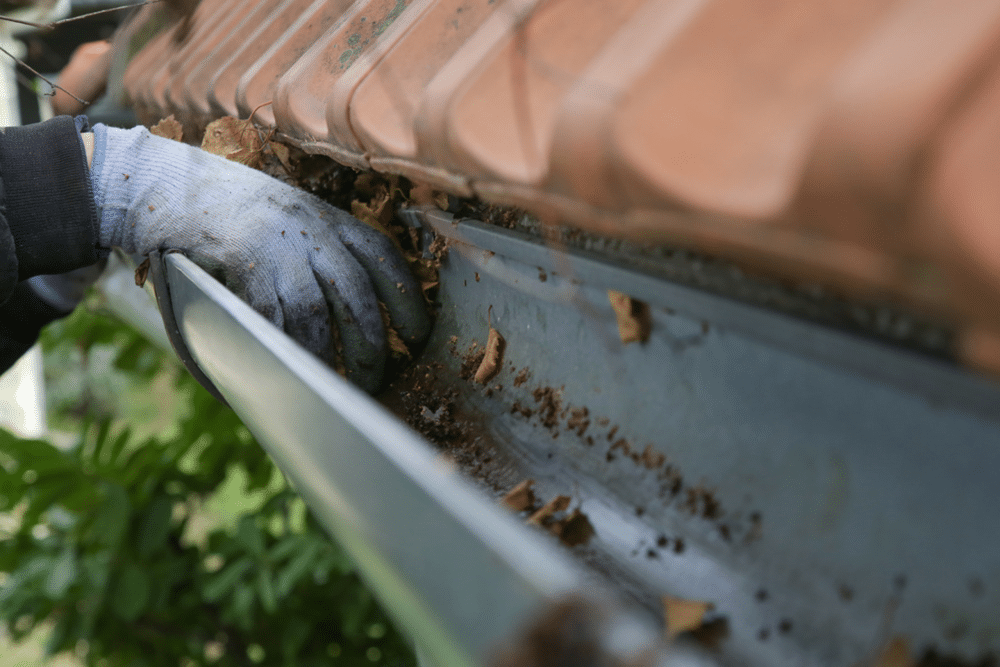
Cedar roofs depend on regular maintenance to help control moisture, decay, and damaged shakes. Deferred upkeep increases the chance that minor issues develop into larger problems affecting the entire roofing system. Insurance providers often consider long-term maintenance requirements when assessing policy risk.
Routine inspections help identify developing concerns before they become more extensive.
Generates More Storm-Related Insurance Claims
Cedar roofing can sustain damage from hail, wind, and falling tree limbs during Minnesota storms. These events often lead to storm damage repair and, in some situations, additional insurance claims for affected homeowners. A history of weather-related losses contributes to the increased caution many insurers apply to cedar roofs.
Documenting storm damage promptly provides useful information when discussing coverage or future repairs with an insurance provider.
How to Prepare Before Your Coverage Changes or Renewal
Preparing before a policy renewal gives homeowners more time to evaluate their options. Small steps completed early can prevent last-minute decisions and unnecessary stress. This section outlines practical ways to prepare before insurance coverage changes.
A few simple actions can make future insurance conversations more productive.
Schedule a Professional Roof Inspection Early
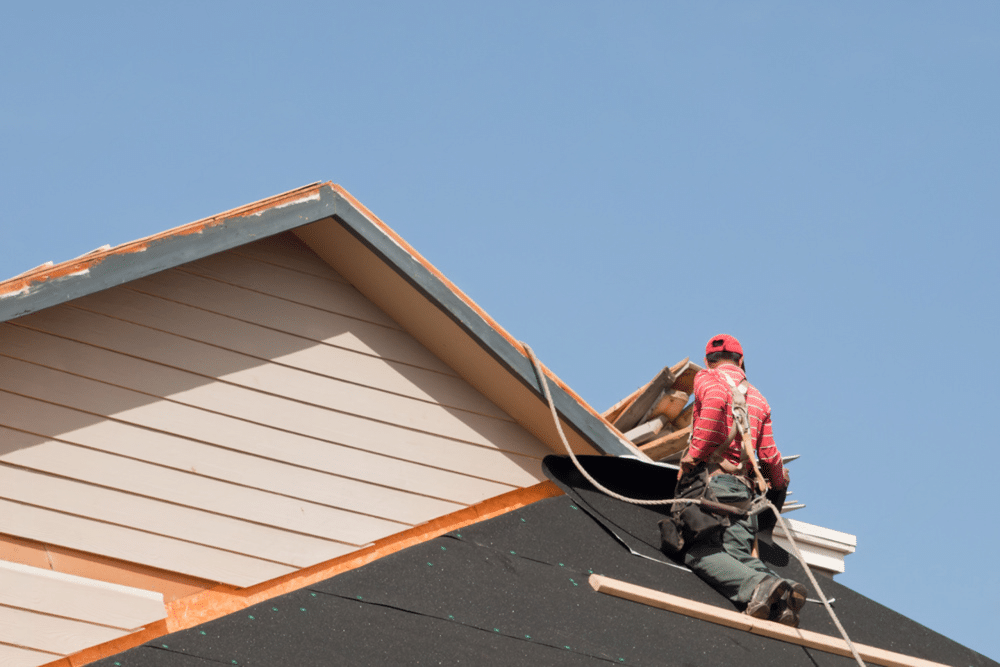
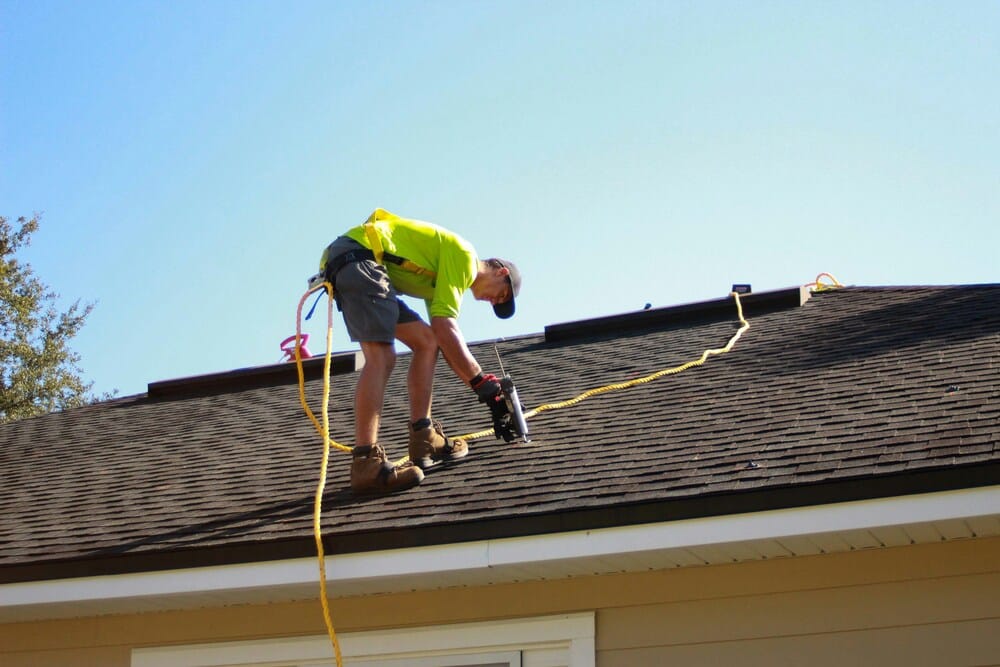
Waiting until a renewal notice arrives can limit the time available to address roofing concerns. A professional inspection identifies visible issues that may require roof repair before insurers review the property’s condition. This approach helps homeowners in Maple Plain, the Twin Cities, and nearby Maple Grove better understand their roof before important insurance deadlines.
Keep inspection reports with your home records for future reference. Organized documentation supports more informed conversations with your insurance provider.
Maintain Clear Records of Roof Maintenance
Missing maintenance records can make it difficult to demonstrate consistent roof care. Organized documentation shows that routine inspections and upkeep have been completed throughout the roof’s service life. These records also create a clearer history if questions arise during future policy reviews.
Store inspection reports, invoices, and photographs together in a secure location. Updated records are easier to access when policy renewals approach.
Review Your Insurance Policy Carefully
Many homeowners overlook policy details until renewal documents arrive. Reviewing coverage in advance helps identify exclusions, deductibles, and requirements related to older roofing materials. Understanding these terms allows homeowners to prepare for potential changes before important deadlines.
Contact your insurance representative if any policy language is unclear. Asking questions early reduces uncertainty during the renewal process.
Explore Long-Term Roofing Options
Some aging cedar roofs eventually reach a point where continued repairs become less practical. Evaluating future roof replacement options before coverage changes allows homeowners to compare materials and plan for long-term protection. Planning ahead is especially valuable for homeowners throughout the Twin Cities who want to avoid rushed decisions after policy changes.
Discuss long-term roofing goals with a qualified professional before major issues develop. Early planning provides greater flexibility when evaluating replacement timelines.
Protect Your Minnesota Home Before Your Next Policy Renewal
Preparing before insurance changes gives homeowners more control over future roofing decisions. A free estimate from our team provides a professional assessment that helps identify current roof conditions and potential concerns before renewal deadlines arrive.
Contact Allstar Construction to discuss your roofing questions and understand your available options. Early planning supports informed decisions while helping homeowners prepare for future insurance conversations.
Frequently Asked Questions
Why are insurance companies limiting coverage for cedar roofs?
Many insurers view cedar roofs as higher risk because they require regular maintenance and can be more vulnerable to weather, moisture, and aging. Coverage decisions vary by provider, roof condition, and local underwriting guidelines.
Will a roof inspection improve my chances of keeping coverage?
A roof inspection provides an accurate assessment of your roof’s condition and identifies maintenance needs. While inspections cannot guarantee coverage, they help homeowners address concerns before insurance policy renewals.
Should I replace my cedar roof if my insurance changes?
Not always. The best decision depends on your roof’s age, condition, and your insurer’s requirements. A professional evaluation helps determine whether repairs or replacement make the most practical long-term solution.
What should I do after storm damage affects my cedar roof?
Document visible damage with photographs and arrange a professional inspection as soon as practical. Prompt action helps prevent additional deterioration and provides useful information for discussions with your insurance provider.