A roof inspection report documents your roof’s current condition and flags issues that affect safety, lifespan, and repair costs. For Twin Cities homeowners, understanding this report is one of the most important steps in protecting your home from Minnesota’s harsh seasonal weather.
Spring is an ideal time to schedule a roof inspection after the freeze-thaw cycle has done its worst. Ice dams, wind-driven snow, and temperature swings are common across the Minneapolis and St. Paul metro and can leave behind hidden damage. Knowing how to read a residential roof inspection report gives you the information to act before small problems become expensive ones.
Key Takeaways
- A roof inspection report documents shingle condition, flashing integrity, ventilation status, and drainage system performance.
- Minnesota winters create freeze-thaw stress that makes annual roof inspections especially important for Twin Cities homeowners.
- The report’s severity ratings help you prioritize roof repair, roof maintenance, or full roof replacement decisions.
- Insurance claims for storm damage often require a formal roof inspection report with photos and documented findings.
Key Findings Minnesota Homeowners Should Review First
A roof inspection report covers more than just shingles. It documents each component of your roofing system and assigns condition ratings that reflect urgency. The three sections below represent the findings that most directly affect your home’s protection and your next budget decision.
Shingle and Surface Condition
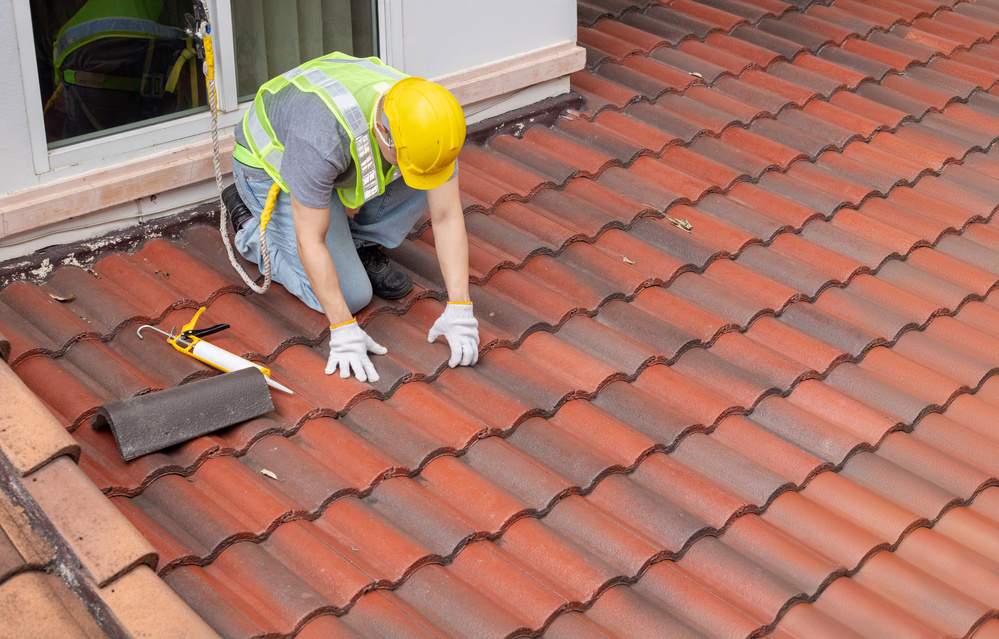
Shingle condition is the most visible indicator of your roof’s overall health and its ability to withstand Minnesota’s harsh seasonal weather conditions. Inspectors look for curling, cracking, blistering, and granule loss, all of which signal aging materials or damage from recent storms. In the Twin Cities, hail impact and ice dam pressure are the most common causes of surface deterioration that require timely attention.
Review any flagged areas for granule loss, exposed shingles, or widespread wear, and plan roof repair before damage spreads to underlying layers.
Flashing and Drainage Performance
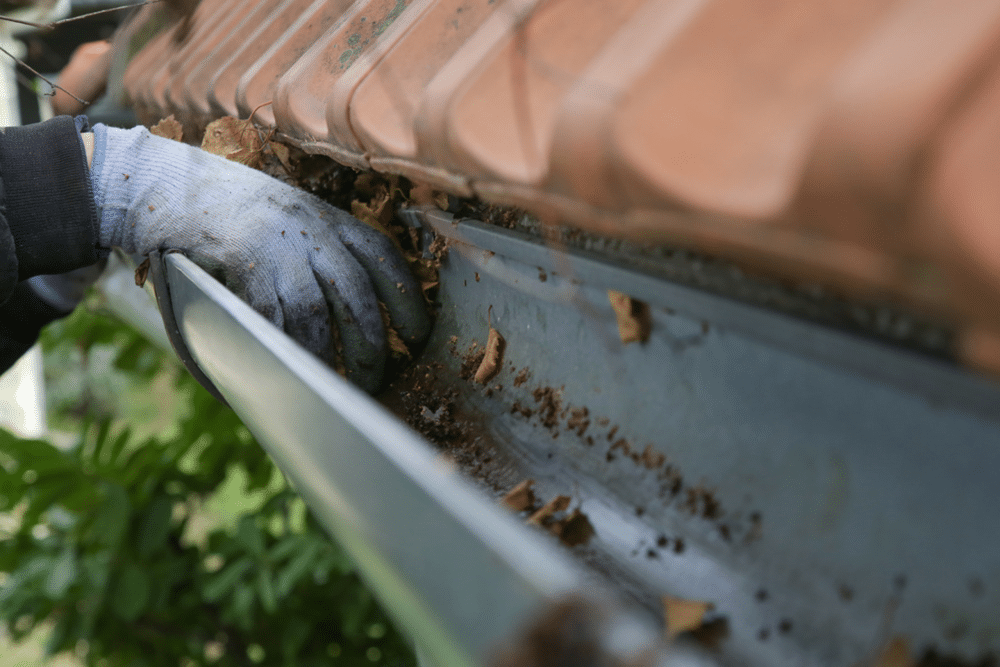
Flashing protects critical transition points like chimneys, skylights, and roof valleys, where water intrusion is most likely to occur if materials begin to fail. Inspectors carefully document lifting, cracking, or corrosion in these areas, as even small failures can quickly develop into interior leaks. Drainage performance is also evaluated, since clogged or sagging gutters can disrupt proper water flow and increase roofline stress.
Address flashing concerns alongside proper gutter performance to prevent water pooling, reduce leak risks, and minimize the chances of ice dam formation.
Attic Conditions and Ventilation
Attic conditions play a major role in your roof’s long-term performance, especially in Minnesota, where temperature swings place constant stress on roofing systems. Inspectors check for moisture staining, mold presence, and proper airflow to confirm that ventilation systems are functioning as intended. Poor ventilation can trap heat and moisture, contributing directly to structural damage and winter ice dam formation.
Follow ventilation and insulation recommendations from the report to improve airflow, control moisture, and extend the lifespan of your entire roofing system.
How to Use the Report for Repair and Budget Decisions
Once you have the roof inspection report in hand, the real work begins. The findings translate into decisions about what to fix now, what to plan for, and when roof replacement becomes the smarter financial choice. The three sections below walk through how to apply the report to real budget and planning scenarios.
Prioritize Repairs Using Severity Ratings
Most roof inspection reports assign severity categories such as immediate and near-term. Items flagged as immediate typically involve active roof leaks, missing shingles, or compromised structural decking that require fast roof repair. Near-term items like worn sealant or minor flashing separation can often be bundled into a planned roof maintenance visit.
Prioritizing by severity helps you avoid spending on cosmetic issues while leaving structural problems unaddressed. It also creates a clear scope of work before you request estimates from a roofing contractor.
Build a Strong Insurance Claim With Your Report
A roof inspection report for insurance purposes needs to include dated photos, specific damage descriptions, and material condition ratings. Minnesota homeowners filing storm damage claims through their insurance carrier should ensure the report documents the date of the event alongside the current roof condition.
A well-documented report can strengthen your claim and reduce disputes with adjusters. Many contractors experienced in storm damage will include this documentation during inspections, covering shingle upgrades, siding condition, and gutter performance.
Plan Roof Replacement Costs With Age and Condition Data
Roof inspections cover roof age and remaining service life, which are key factors in determining when replacement becomes the most practical option. Inspectors also provide approximate square footage, helping homeowners better understand the scale and cost range of future roofing projects. Together, these data points give a clearer picture of your roof’s current position within its overall lifecycle.
If your roof is within three to five years of the end of its life, begin planning for replacement to avoid repeated repair costs and disruptions.
Protect Your Minnesota Home With a Clear Roof Inspection Report
Allstar Construction has served Minnesota homeowners across the Twin Cities since 1979, delivering reliable exterior solutions built for long-term performance. From Eden Prairie to St. Paul, our team provides detailed roof inspections that give you a clear, honest understanding of your roof’s condition. Homeowners trust our process because it is thorough, transparent, and backed by decades of positive results across a wide range of projects.
Whether your findings point toward targeted roof repair, preventive maintenance, or a full roof replacement, we provide clear, itemized estimates with no hidden costs. Schedule your free estimate today and move forward with confidence, knowing your home is in the hands of experienced professionals.
Frequently Asked Questions
What should be included in a roof inspection report?
A complete roof inspection report should cover shingle condition, flashing integrity, gutter and drainage performance, attic ventilation, and structural decking. It should include dated photos, condition ratings, and specific repair or maintenance recommendations.
How much does a roof inspection cost in Minnesota?
A roof inspection can cost anywhere between $75 and $600 in Minnesota, depending on roof size, pitch, and inspection method. More complex inspections involving thermal imaging or attic assessment typically fall at the higher end.
What are red flags on a roof inspection report?
Red flags include active moisture in the attic, multiple missing or cracked shingles, deteriorated flashing at penetrations, and sagging decking. Any finding marked as immediate in the severity rating should be addressed before the next major weather event.
How do I use a roof inspection report for an insurance claim?
Submit the report with dated photos, storm event documentation, and itemized damage descriptions. The report should clearly link observed damage to the claimed weather event and all affected roof and exterior areas.