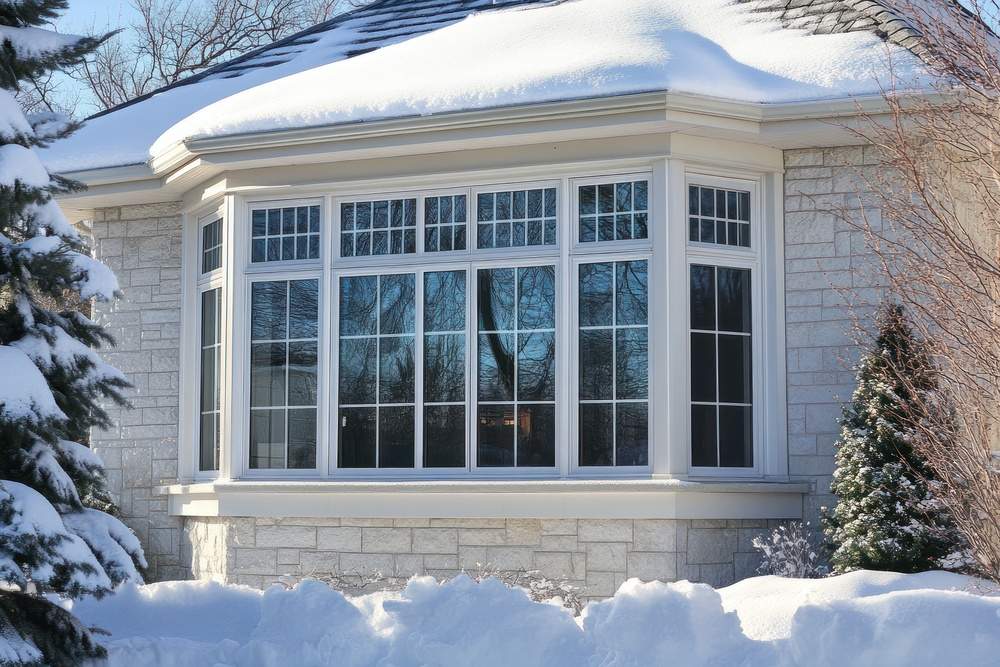
Winter in the Twin Cities places every home’s exterior to the test, from subzero temperatures to constant snow and ice. For many homeowners, this season reveals exactly how well their windows perform against drafts and rising energy bills. Instead of waiting until spring, more Minnesota homeowners are choosing winter window replacement to improve energy efficiency and comfort when it matters most.
If your windows show signs of aging or inefficiency, this may be the right time to act.
The following insights explain why winter window replacement is a practical choice for Twin Cities homeowners and how to decide if it aligns with your goals for comfort, performance, and long-term value.
Key Takeaways
- Winter window replacement in the Twin Cities provides easier scheduling, skilled installers, and careful attention during less busy months.
- Cold-weather materials and expert methods keep homes warm and ensure windows are fitted tightly against freezing temperatures.
- Energy-efficient windows give quick savings, lower heating bills, and steady comfort during Minnesota’s coldest winter months.
- Replacing old windows in winter increases comfort, improves home value, and prepares houses for upcoming seasonal projects.
Faster Scheduling and Dedicated Attention
In the Twin Cities, most homeowners choose major home improvements like window replacement in early spring or late fall, leaving the winter months less crowded for scheduling. This off-season flexibility allows professional installers to dedicate more time to each job and ensure every window installation is completed efficiently.
During winter installations, our experienced window installers focus on fitting every single window or custom window precisely, helping you avoid delays that often occur during peak summer installation periods.
Proven Cold-Weather Installation Methods
A common misconception is that cold temperatures make it impossible to replace windows effectively. However, window companies across Minnesota, including Allstar Construction, use specialized materials and insulating foams designed for freezing temperatures.
Our professional installers complete each window installation one window at a time, ensuring minimal heat loss and limited outdoor exposure even when temperatures drop below freezing.
These techniques allow new windows to be installed correctly while maintaining your home’s warmth. The right materials, combined with experienced contractors, mean you don’t have to wait until warmer months to achieve lasting comfort and energy efficiency.
Immediate Energy Savings During Peak Heating Months
Replacing inefficient windows in the winter offers immediate energy savings, especially as energy bills rise in mid-December when heating systems work hardest. Energy-efficient windows help prevent heat loss and reduce overall energy consumption by sealing out cold air that leaks through old windows.
Homeowners in St. Paul and Edina often notice that rooms stay consistently warm once new windows are installed, which translates into lower energy costs and a more comfortable house throughout the cold months.
Installing replacement windows before severe weather sets in allows you to capture those benefits all season long.
Off-Season Discounts and Flexible Financing
Winter window replacement is a practical and cost-effective decision for many homeowners because it often coincides with off-season offers and flexible financing programs.
While some window replacement companies offer discounts during colder months, we provide lasting value with our reliable installation process and quality materials, including Andersen windows known for superior insulation.
For homeowners in Maplewood or Burnsville, replacing windows and doors installed decades ago during the off-season can provide both energy efficiency and long-term savings.
Avoiding Spring and Summer Project Backlogs
Spring and summer schedules fill quickly across the Twin Cities, creating long queues for exterior projects.
By scheduling your winter window installation early, you’ll bypass the long queue of projects that stack up once spring arrives. This also ensures your home is protected from cold weather now and ready for the summer installation season without competing for contractor availability.
When you replace windows during the cold months, you also reduce the risk of additional insulation issues or recent leaks worsening during winter storms—a decision that makes your project efficient and stress-free.
How to Decide If Winter Replacement Aligns With Your Home Goals
Before scheduling a winter window replacement, it’s important to understand how the project aligns with your home’s comfort, efficiency, and long-term goals. The following considerations can help you decide whether a winter installation is the right choice for your property.
Evaluate Energy Efficiency and Draft Concerns
When cold air seeps through inefficient windows, it’s a clear signal that your home may need replacement windows. During the winter months, the signs of poor energy efficiency—like higher energy bills and uneven room temperatures—become especially noticeable.
Many homeowners in Minneapolis and Golden Valley discover that even one window left unsealed can cause significant heat loss. Replacing old windows when the problem is most obvious ensures lasting performance once the weather warms.
Consider Your Household Comfort and Schedule
Homeowners worry about losing too much indoor heat during a winter installation, but with professional installers and proper planning, that risk is minimal. Contractors work quickly and strategically, replacing one window at a time to prevent cold air from entering.
This method allows homeowners to stay comfortable while windows are installed correctly without affecting indoor temperature. The result is a warmer, quieter environment that feels like an immediate upgrade even before spring.
Think About Long-Term Home Value and Energy Savings
Winter window replacement contributes to better long-term energy efficiency and higher home value. High-performance glazing, insulated frames, and precise installation support lower lifetime operating costs while enhancing curb appeal for future resale.
For homeowners planning to sell in early spring, new windows installed during cold weather offer a strong market advantage. They also reduce reliance on your heating system, helping maintain a stable indoor temperature through freezing temperatures and beyond.
Review the Age and Condition of Existing Windows
If you notice condensation, frost, or recent leaks around old windows, it’s time to consider replacement. Many Twin Cities homes built in earlier decades still have single-pane windows that underperform in today’s climate.
Winter is an ideal time to replace windows before outdoor exposure worsens structural damage. By acting now, you ensure your home is sealed tightly before severe weather returns, preventing costly repairs in future cold months.
Align with Your Broader Home Improvement Plans
Replacing windows in the winter helps balance your annual home improvement timeline. Instead of waiting for late spring or early fall when contractors are busiest, addressing your window project now allows more flexibility for future upgrades like siding or roofing.
This strategic scheduling means contractors can complete the job efficiently, using weather conditions to your advantage. Once your new windows and doors are installed, your home will be ready for any upcoming projects when temperatures rise again.
Get Started with Your Winter Window Replacement
Ready to improve your home’s energy efficiency and comfort before the next temperature drop? Schedule your free estimate with us today or call (763) 297-5100.
Trust Minnesota’s expert window installers to deliver precision, durability, and warmth, no matter the season.
Frequently Asked Questions
What types of windows work best for Minnesota winters?
Vinyl, fiberglass, and composite windows are ideal because they provide strong insulation, prevent drafts, and maintain durability in freezing temperatures, ensuring lasting energy efficiency and comfort through harsh Minnesota winters.
How long does a winter window installation usually take?
A typical winter window replacement takes one to two days, depending on the number of windows, home size, and project complexity, with careful planning to minimize exposure to outdoor temperatures.
Can winter window replacement help prevent indoor condensation?
Yes. Properly sealed, energy-efficient windows reduce condensation by improving insulation, balancing indoor humidity, and keeping interior glass surfaces warmer during cold months for a clearer, drier window surface.
Is it safe to replace windows in older Twin Cities homes during winter?
Yes. Skilled installers use proven techniques and protective materials to preserve trim, framing, and finishes, ensuring older homes maintain strength and character while improving energy performance in cold weather.