Roof granule loss is one of the earliest warning signs that an asphalt roof may be struggling to protect a Twin Cities home. Minnesota weather puts constant pressure on roofing materials, from freeze-thaw cycles and ice dams to hail impact and strong winds.
Understanding what granule loss looks like, why it happens, and when professional help is needed allows homeowners to protect roof health and avoid costly repairs.
Key Takeaways
- Roof granule loss is often an early indicator of aging or storm-damaged asphalt shingles.
- Minnesota severe weather events, including hail, heavy rain, and UV exposure, accelerate granule shedding.
- A few loose granules are normal, but bald spots and exposed asphalt signal roof damage.
- Timely roof inspections help prevent water intrusion, mold growth, and structural damage.
- Professional roof inspections support insurance claims and long-term roof system performance.
How to Spot Roof Granule Loss on Minnesota Homes
Granule loss can appear in different ways depending on roof age, weather exposure, and maintenance history. Knowing where and how to look helps homeowners identify early signs before further damage develops, especially in Twin Cities neighborhoods such as Apple Valley, where storm exposure varies by season.
Granule Buildup in Gutters and Downspouts
Granule buildup in gutters or downspouts is often the first immediately visible sign of shingle granule loss on Twin Cities homes. During a routine roof inspection, contractors often find this buildup after heavy rain or hail, which can signal that protective granules are shedding faster than they should and weakening overall shingle integrity.
Industry guidance from the National Roofing Contractors Association notes that excessive granule loss can shorten the roof’s lifespan.
Bald Spots on the Shingle Surface
Bald spots on the shingle surface indicate that protective granules have been dislodged, leaving exposed asphalt vulnerable to UV rays and moisture. From a roofing professional’s perspective, these areas are closely evaluated during roof repair assessments because they increase the likelihood of roof leaks during Minnesota freeze-thaw cycles.
Loose Granules After Hail or Severe Weather
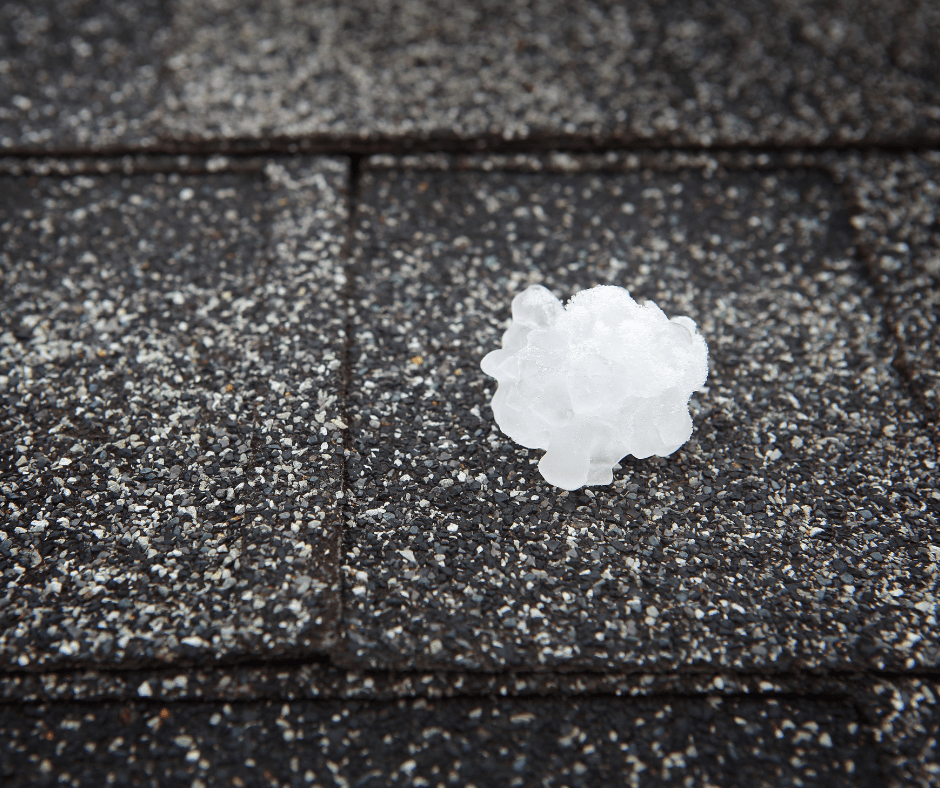
After hail damage or strong winds, homeowners may notice loose granules scattered on driveways or patios. In northern service areas such as Baxter, this type of storm damage often leads to follow-up evaluations to determine whether roof replacement may be necessary to restore long-term shingle performance.
Research from GAF explains how hail impact can dislodge protective granules without immediately causing leaks.
Cracked or Soft Shingles Near Granule Loss Areas
Cracked shingles or soft spots near areas of granular loss often point to compromised roofing materials and reduced shingle performance. When this condition is widespread, roofing professionals may begin discussing roof installation options designed to withstand Twin Cities climate stressors.
When Inspection or Professional Help Makes Sense
Not all granule loss requires immediate roof replacement, but certain warning signs signal the need for a thorough inspection by a roofing contractor with experience in Minnesota weather patterns.
Granule Loss Combined with Roof Leaks
When losing granules coincides with roof leaks or interior water stains, a professional roof inspection becomes essential. These situations often reveal deeper roof system issues that require timely roof repair to prevent structural damage.
Premature Granule Loss on a Younger Roof
Granule shedding on an asphalt roof that is well below its expected lifespan may point to manufacturing process issues, poor attic ventilation, or storm damage. In these cases, contractors often document findings carefully to support roof replacement decisions and potential insurance claims.
Widespread Granular Loss After Storm Damage
Widespread granular loss following severe weather events, such as hailstorms or heavy rain, often requires a professional roof inspection to document damage. This step is critical when homeowners are considering whether roof replacement is warranted after a major storm event.
Preparing for Winter and Seasonal Maintenance
Scheduling regular roof inspections before winter arrives helps Twin Cities homeowners address early signs of granule loss before ice dams and snow loads create further damage. Preventive inspections reduce the likelihood of emergency repairs during extreme cold.
Protect Your Roof Before Granule Loss Turns Into Costly Repairs
Minnesota homeowners trust Allstar Construction to deliver professional roof inspections, storm damage assessments, and long-term roofing solutions built for harsh weather conditions. If you are seeing warning signs of roof granule loss or want peace of mind before the next storm season, scheduling a professional inspection can help protect your roof’s lifespan and your home’s structural integrity.
Contact us to request a consultation.
Frequently Asked Questions
What causes roof granule loss on asphalt shingles in Minnesota?
Roof granule loss is commonly caused by a combination of UV rays, hail damage, heavy rain, strong winds, and freeze-thaw cycles. Poor attic ventilation and foot traffic on the roof can also accelerate granular loss and reduce shingle performance over time.
Is it normal to see a few granules in my gutters?
Yes, a few granules in gutters or downspouts are normal, especially on a new roof. However, consistent granule buildup or large amounts after storms often signal premature granule loss that should be evaluated by a roofing professional.
Can granule loss lead to roof leaks?
Granule loss exposes the asphalt shingle surface and shingle mat to moisture and UV damage. Over time, this exposure increases the risk of roof leaks, water intrusion, and interior damage if not addressed.
Will insurance cover roof damage from granule loss?
Insurance coverage depends on the cause of the granule loss. Storm-related damage, such as hail impact, is often covered, while normal wear and tear is not. A professional roof inspection helps document damage accurately for insurance claims.